Full Box Truck Load (FTL) Freight Booking — Dedicated Ground Shipping Nationwide

Across the United States, businesses with full truckload freight need a dedicated vehicle, a direct route, and a carrier that shows up on time. When a load fills a box truck, co-loading it with other shippers' freight adds risk, adds handling, and adds time you may not have. A dedicated FTL box truck moves your freight exclusively — point-to-point, no hub stops, no shared space. We book full box truck load shipments on any U.S. lane through a vetted national carrier network. Same-day and next-day dispatch available. This page covers what FTL shipping is, when to use it, what freight qualifies, and how to get a carrier booked fast. One call places the order.

Dedicated Cargo Van Transportation — Nationwide

What a Full Box Truck Load (FTL) Shipment Is and When It Makes Sense

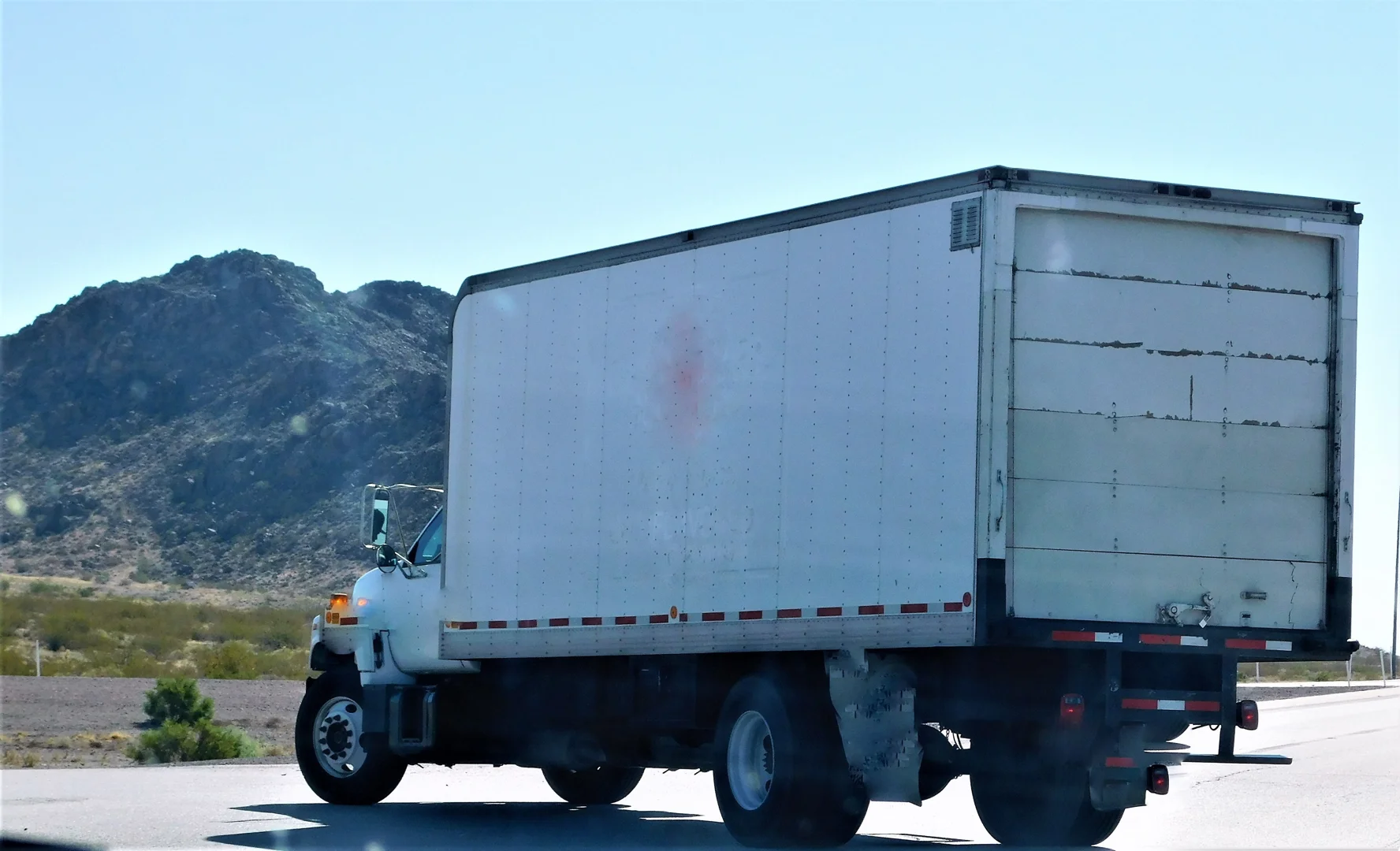
A full box truck load shipment is one dedicated box truck assigned exclusively to one shipper’s freight. Your cargo is the only load in the vehicle from the moment it is picked up until it is delivered. No co-loading. No relay stops. No sorting hubs. The truck goes from your pickup location directly to your delivery destination — anywhere in the United States.

FTL makes sense in four situations:

Your load fills or nearly fills a box truck. When freight volume reaches the point where a box truck is close to capacity, FTL is more efficient and more reliable than splitting it across an LTL network.

Your freight is fragile or high-value. Every extra handling point is a damage risk. A dedicated vehicle eliminates the hub sorts, co-loading transfers, and relay touchpoints that LTL introduces.

Your delivery window is tight. LTL transit times depend on network routing that you do not control. FTL transit times depend on a single direct route that you do control — pickup to delivery, no stops in between.

LTL has already failed the lane. Damaged freight, missed windows, and inconsistent transit times are signals that a dedicated truck is the right tool for the job.

FTL demand exists on every U.S. lane. Short regional moves and long cross-country hauls are covered equally — no geographic restriction on pickup or delivery location.
FTL vs. LTL — When a Full Box Truck Load Is the Better Option

LTL works well for small, non-urgent freight that can tolerate a multi-day transit through a hub-and-spoke network. But when the load grows, the timeline tightens, or the freight is too valuable to risk in a shared truck, LTL starts costing more than it saves.

How LTL works:

  • Your freight shares a truck with multiple other shippers’ loads
  • The truck stops at sorting hubs where freight is transferred between vehicles
  • Transit time depends on network routing — not a direct path from your dock to the destination
  • Each transfer point is a handling event — and a potential damage point
  • Delivery windows are estimates, not guarantees

How FTL works:

  • One truck, one load — your freight only
  • Direct route from pickup to delivery — no hub sorting, no relay transfers
  • Transit time is predictable because the route is direct
  • One handling event at pickup, one at delivery — nothing in between
  • Delivery window is confirmed based on a specific route, not a network estimate

When FTL is the better option:

  • Load fills or nearly fills a standard box truck
  • Freight is fragile, high-value, or compliance-sensitive
  • Delivery window is hard — the shipment has to arrive by a specific time
  • LTL has produced damage, delays, or missed windows on this lane before
  • The cost of a late or damaged delivery exceeds the cost of a dedicated truck

LTL damage and delay rates increase on longer lanes and during peak shipping seasons across the country. FTL removes the variables that LTL introduces — dedicated carrier, direct route, same truck from pickup to delivery.

Partial Load & LTL Alternative Service
Full Box Truck Load (FTL) Freight Booking

What Types of Freight Are Best Suited for Full Box Truck Load Shipping

Most B2B freight that fills a box truck qualifies for FTL. The key variables are load volume, freight sensitivity, and delivery requirements — all confirmed when the quote is requested.

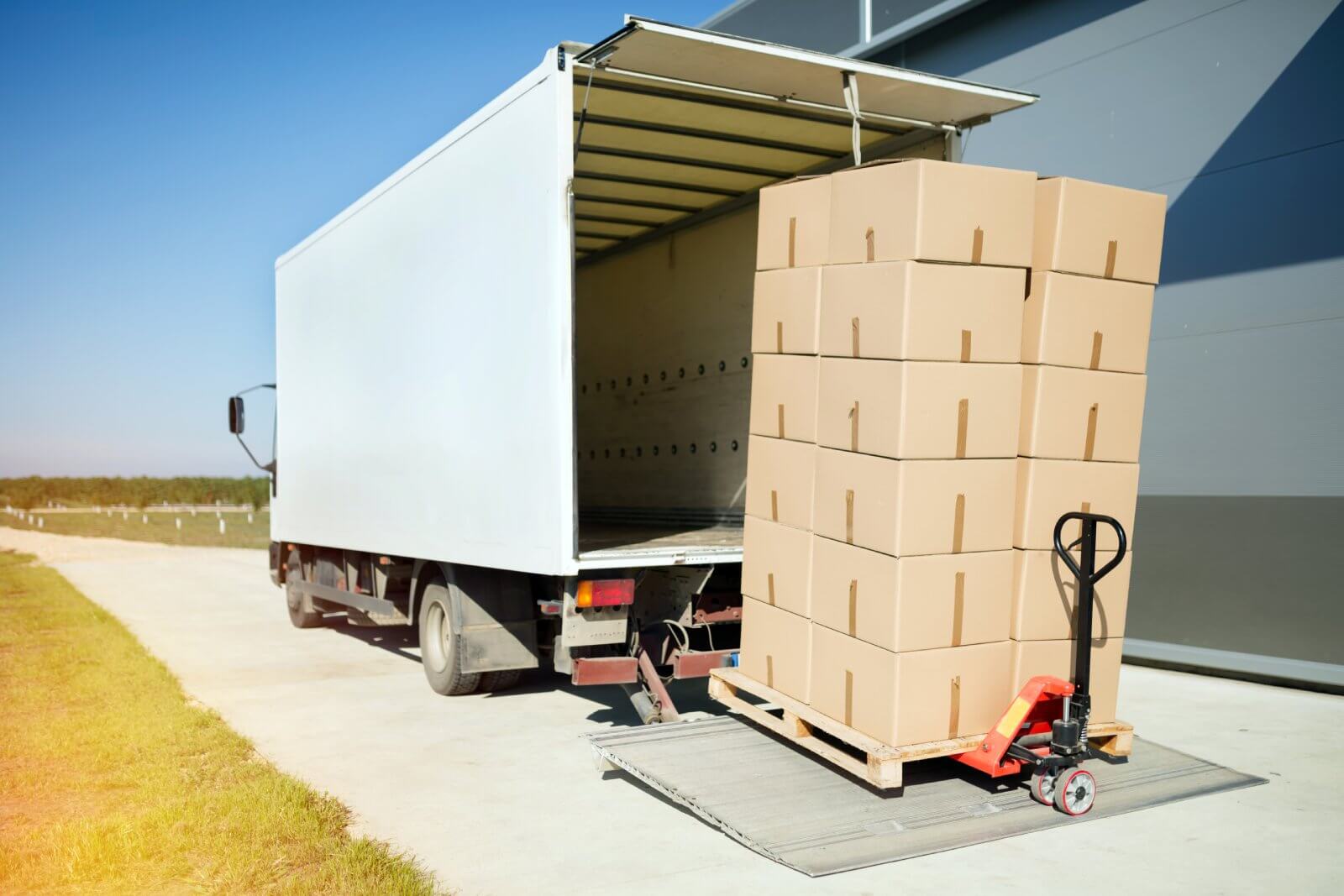
Pallet and skid freight: The most common FTL load type. Multiple skids filling a standard box truck move more efficiently and more safely on a dedicated vehicle than through an LTL network. Liftgate and pallet jack available for dock-free locations.

Fragile and high-value freight: Electronics, medical devices, specialty equipment, and high-value manufactured goods. A dedicated vehicle eliminates the co-loading and hub transfer damage risk that LTL introduces on every move.

Time-sensitive B2B components: Production parts, urgent manufacturing inputs, and client-deadline loads that cannot absorb LTL transit variability. FTL confirms the delivery window on a direct route.

Construction and industrial materials: Building supplies, equipment, and job site materials that need to arrive on a specific date when the crew is ready. A missed delivery on a job site stops the work — FTL removes that risk.

Retail replenishment loads: Full truck restocking runs to distribution centers or retail locations with hard receiving windows. A dedicated box truck hits the dock appointment without the hub routing uncertainty of LTL.

Oversized items within box truck dimensions: Items too large for co-loading but within standard box truck capacity. A dedicated vehicle gives oversized freight the space it needs without requiring a specialty carrier.

Freight type and lane requirements vary across the country by industry vertical and region. A logistics broker matches the carrier to the freight type — not just the load size — on every FTL booking.

How the FTL Booking Process Works with a Freight Broker

A logistics broker does not own trucks. A broker owns carrier relationships across a national network — and that is what makes FTL booking fast on any U.S. lane without requiring you to maintain direct carrier contracts for every route you ship.

Here is how the FTL booking process works:

  1. You provide load details — pickup location, destination, freight type, dimensions, total weight, number of skids or pieces, and required delivery window
  2. Confirm handling requirements — liftgate needed at pickup or delivery, pallet jack, inside delivery, chain-of-custody documentation, or any facility-specific access requirements
  3. Broker searches the carrier network — pulling from a vetted national network of box truck carriers available on your lane
  4. Carrier matched to load — broker confirms vehicle size, handling capability, and driver availability before presenting the match
  5. Quote delivered for approval — clear quote with confirmed carrier and delivery window
  6. Approval triggers dispatch — carrier coordination begins immediately, pickup time locked in
  7. Broker tracks the move — one point of contact from pickup through delivery confirmation

The booking process is identical on any U.S. lane. No different steps for short regional FTL moves vs. cross-country hauls. The broker handles carrier sourcing, dispatch, and tracking — you handle the freight on your end.

A national carrier network removes the lane-specific sourcing limitations that affect direct carrier booking. If your regular FTL carrier does not cover a lane or does not have availability, the broker finds one that does.

what is a hot shot delivery
Instant Freight Quote & On-Demand Shipping

How to Book an Urgent or Same-Day Full Box Truck Load Shipment

A carrier calls out. A pickup is missed. A full truckload is sitting at the dock with no driver assigned and a delivery window that is already closing. Urgent FTL situations happen on every lane and in every market — the difference is how fast you can get a replacement carrier moving.

Here is how to book an urgent or same-day FTL shipment:

Call the broker immediately with complete load details. Do not spend time trying to reach your original carrier or working through a direct carrier list. A broker searches a national network simultaneously — one call covers multiple options at once.

Provide everything on the first call:

  • Pickup location and any access restrictions
  • Full delivery address and dock requirements
  • Freight type, dimensions, total weight, and number of skids
  • Liftgate or pallet jack requirement
  • Your hard delivery window — state it clearly so the broker matches carriers who can hit it

Same-day dispatch in most cases. When the call comes in early enough in the day, the broker can source an available box truck carrier on the lane and have the load moving the same business day. Earlier calls open more carrier options — the sourcing window is wider before midday than it is in the afternoon.

Broker manages the urgent move end-to-end. One contact from carrier sourcing through delivery confirmation. No chasing drivers, no coordinating between multiple parties, no tracking down ETAs on your own. The broker owns the move until the freight is delivered.

Same-day FTL carrier availability varies by lane and location across the country. A national carrier network gives the broker more sourcing options than any single direct carrier relationship — which means faster recovery when an urgent situation hits.

How to Book a Full Box Truck Load Shipment — Step by Step

If your load is ready and you need a box truck carrier booked, the process is straightforward. Here is exactly what it looks like from your first contact to confirmed delivery:

Step 1: Contact the broker. Call or submit a quote request. Have your load details ready — pickup location, destination, freight specs, and delivery window. Complete information on the first contact eliminates back-and-forth and speeds up carrier sourcing.

Step 2: Provide load details. Pickup address including any access restrictions or dock requirements. Full delivery address including facility type and receiving window. Freight type, dimensions, total weight, number of skids or pieces.

Step 3: Confirm handling requirements. Liftgate needed at pickup or delivery? Pallet jack required? Inside delivery? Chain-of-custody documentation? Any access-specific requirements at the pickup or delivery location? Confirm all of these upfront.

Step 4: Receive carrier match and quote. Broker identifies available box truck carriers on the lane, matches load to vehicle, and presents a clear quote with confirmed delivery window.

Step 5: Approve and dispatch. Approval triggers immediate carrier coordination. Pickup time is confirmed and locked in. The carrier is on the way.

Step 6: Broker tracks through delivery. One point of contact for updates, tracking, and delivery confirmation. The broker manages the move from the moment the carrier picks up the freight until it is confirmed at the destination.

The booking process is the same on any U.S. lane. Providing complete load details on the first contact speeds up carrier sourcing and quote turnaround on every booking — short regional FTL moves and cross-country hauls alike.

Full Box Truck Load (FTL) Freight Booking
icon

Request a Nationwide FTL Freight Booking Quote Today.

CONTACT US

Your Load Needs a Dedicated Truck.

We've coordinated over 6,000 shipments across 17+ years in business. We source dedicated box truck carriers for full truckload freight on any U.S. lane — same day when it counts. Request a quote today — tell us your pickup location, freight specs, delivery window, and handling requirements. We'll find the right carrier and get it moving.

FAQs

Frequently Asked Questions

What is a full box truck load (FTL) shipment?

One dedicated box truck assigned exclusively to one shipper's freight. Moves point-to-point from pickup to delivery with no co-loading, no hub stops, and no shared space with other shippers' cargo.

When your load fills or nearly fills a box truck. When freight is fragile or high-value. When the delivery window is hard. Or when LTL has already produced damage, delays, or missed windows on the lane.

Yes. A broker searches a national carrier network for available box trucks same day. Earlier calls open more options. Same-day dispatch is available in most cases when the call comes in with enough lead time.

Pallet and skid loads, fragile or high-value freight, time-sensitive B2B components, construction and industrial materials, and retail replenishment runs. Confirm freight specs when requesting a quote.

Broker receives load details, searches a national carrier network, matches a box truck to the load, delivers a quote, and dispatches on approval. One contact manages the full move from pickup through delivery confirmation.

Yes. Liftgate and pallet jack service is available on FTL box truck loads for pickup and delivery at locations without a loading dock. Confirm the requirement when requesting a quote so the broker sources a truck with the right equipment.