E-Commerce Fulfillment & Last-Mile Shipping

Across the United States, e-commerce businesses live and die by last-mile delivery — a missed drop or a late shipment costs customers and reputation. When a standard carrier fails, when an order is oversized for a parcel network, or when a customer deadline is at risk, you need a logistics broker who sources the right carrier and gets the delivery done. We arrange e-commerce fulfillment and last-mile shipping on any U.S. lane — single urgent orders and recurring fulfillment runs included. This page covers what last-mile shipping is, who needs it, what qualifies, and how to get a carrier moving fast. Find the section that fits your situation, then request a quote.

E-Commerce Fulfillment & Last-Mile Shipping

What E-Commerce Fulfillment and Last-Mile Shipping Actually Means

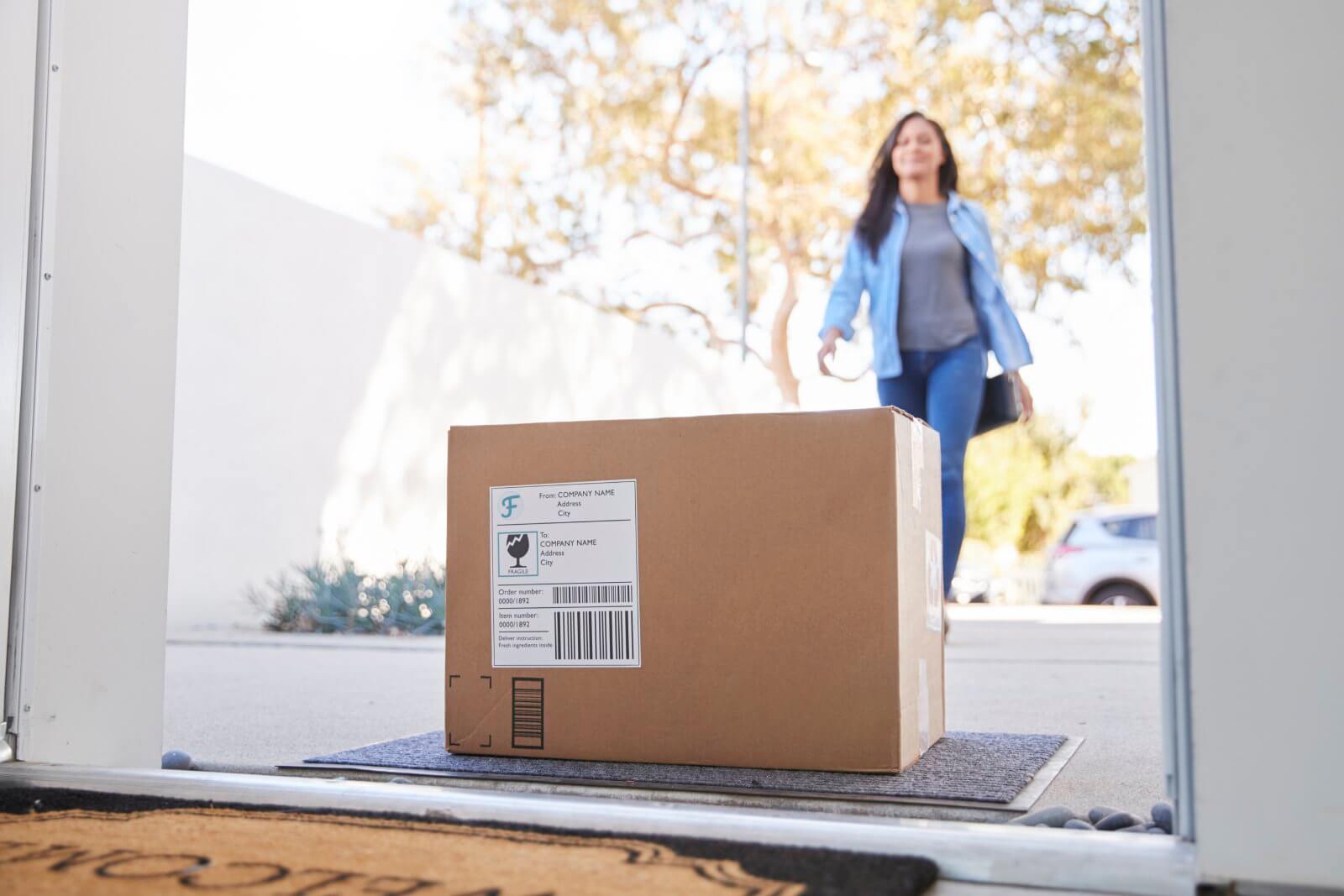
Last-mile shipping is the final leg of the delivery journey — from a warehouse or fulfillment center to the end customer’s door, business address, or commercial delivery point. It is the most time-sensitive and operationally visible step in the e-commerce supply chain. It is also the step customers judge most. A late last-mile delivery is not a logistics problem to them — it is a bad customer experience.

A logistics broker sources a dedicated carrier for the last-mile leg. You provide the pickup location, order size, delivery address, and required window. The broker matches the shipment to the right vehicle — cargo van for smaller parcel-type loads, box truck for larger multi-item or pallet-based fulfillment runs — and dispatches same day or next day depending on urgency.

Your order moves directly from the fulfillment point to the customer. No relay stops. No hub transfers. No co-loading with other shippers’ freight. Last-mile delivery covers residential addresses, business addresses, and commercial delivery points anywhere in the U.S. — dense urban drop points and rural addresses included.
The Difference Between E-Commerce Fulfillment and Last-Mile Shipping

These two terms are often used together — but they describe different parts of the e-commerce delivery process. Understanding the difference helps you identify exactly where a logistics broker fits into your operation.

E-commerce fulfillment:

  • Receiving inventory at a warehouse or fulfillment center
  • Storing, picking, and packing orders when a customer places them
  • Preparing shipments for outbound delivery
  • The work that happens before a carrier picks up the order

Last-mile shipping:

  • The outbound delivery leg — carrier picks up the packed order at the fulfillment center
  • Moves the shipment directly to the end customer’s address
  • The step the customer actually experiences — speed and handling matter most here
  • Covers residential, commercial, and business delivery addresses on any U.S. lane

A logistics broker covers the last-mile leg. You handle or manage fulfillment on your end — picking, packing, and staging the order. The broker sources a dedicated carrier to move it from that point to the final destination anywhere in the country.

For businesses that need direct warehouse-to-customer delivery, the broker coordinates both the carrier pickup at the fulfillment center and the final drop — removing the relay stop between warehousing and delivery entirely. E-commerce fulfillment centers operate in every state. Broker coverage extends to the outbound last-mile leg regardless of where your fulfillment point is located.

E-Commerce Fulfillment & Last-Mile Shipping

What Types of E-Commerce Shipments Need Expedited Last-Mile Delivery

Not every e-commerce order needs expedited last-mile service. But some shipments cannot go through a standard parcel network — and others cannot afford to wait when a carrier fails or a deadline is at risk.

Oversized and heavy items: Furniture, appliances, fitness equipment, and large electronics that exceed standard parcel size and weight limits. These need a dedicated vehicle — not a parcel carrier that will refuse the load or damage it in a hub sort.

High-value orders: Electronics, luxury goods, specialty products, and anything where careful handling and confirmed delivery matter. A dedicated carrier with delivery confirmation keeps high-value cargo secure from pickup to drop.

Time-sensitive B2B restocking: E-commerce businesses supplying other businesses often have hard delivery windows. A missed restocking delivery does not just inconvenience a customer — it stops their operation.

Delayed orders needing same-day recovery: A standard carrier failed a pickup. A customer deadline is hours away. Same-day expedited last-mile dispatch recovers the delivery before the window closes.

Subscription and recurring fulfillment: Fixed delivery windows that cannot slip. Customers on subscription orders expect consistency — a logistics broker manages recurring last-mile runs on a set schedule.

Peak retail seasons — holiday periods, promotional events, and major product launches — drive the highest volume of expedited last-mile escalations across the country. Having a broker relationship in place before peak season hits means the backup is ready when standard carrier capacity runs out.

What Special Delivery Services Are Available for E-Commerce Last-Mile Shipments

Standard parcel carriers drop at the door. For oversized, high-value, or complex e-commerce deliveries, that is not enough. A logistics broker sources carriers with the right service level for every delivery type.

Liftgate service: For residential and commercial addresses without a loading dock. The carrier’s truck is equipped with a hydraulic liftgate to lower heavy or oversized items safely from the truck bed to ground level. Essential for furniture, appliances, and heavy equipment deliveries.

Inside delivery: The carrier brings the shipment inside the premises — not just to the curb or front door. Required for heavy items that a customer cannot move on their own and for deliveries to upper floors or interior rooms.

Two-man delivery: Available for heavy or oversized items that require two people to handle safely. Prevents damage to the shipment and the delivery location. Common for large furniture, industrial equipment, and bulky consumer goods.

White glove service: Careful placement of the item at the customer’s specified location, packaging removal, and delivery confirmation. Used for high-value or delicate items where the delivery experience is part of the product.

Dedicated vehicle: Your order is the only cargo in the vehicle from pickup to delivery. No co-loading, no shared delivery route, no contact with other shippers’ freight.

Residential delivery requirements vary by address type across the country. Apartment buildings, gated communities, rural properties, and commercial units all have different access and handling requirements. The broker confirms all delivery requirements before dispatch — so the right carrier arrives with the right equipment at the right time.

E-Commerce Fulfillment & Last-Mile Shipping

How a Logistics Broker Supports E-Commerce Last-Mile and Fulfillment Shipping

A logistics broker does not own trucks. A broker owns carrier relationships — and for e-commerce last-mile shipping, those relationships cover dedicated vehicles and service levels that standard parcel networks are not built to provide.

How the broker model works for e-commerce last-mile:

You provide order details — pickup location, delivery address, order size and weight, service level requirements, and delivery window

Broker sources a dedicated carrier from a vetted national network matched to your load type and delivery requirements

Cargo van for smaller parcel-type loads; box truck with liftgate for larger or pallet-based fulfillment runs

Broker confirms delivery access requirements — residential, commercial, dock-free, gated, upper floor — before dispatch

Carrier dispatched same day for urgent orders; next day for scheduled fulfillment runs

One point of contact manages the full move from carrier sourcing through delivery confirmation

The broker model works for single urgent orders and recurring fulfillment runs equally. You do not need to manage individual carrier relationships for every lane or every delivery type. The broker handles sourcing and coordination — you focus on running your e-commerce operation.

Broker coverage extends to all 48 contiguous states. Urban fulfillment hubs and rural delivery addresses are covered equally — no geographic limitation on where a carrier can be sourced or where a delivery can land.

How to Handle Carrier Failures and Last-Minute Delivery Escalations

A carrier calls out. A pickup is missed. A customer order is sitting at your fulfillment center with no driver assigned and a delivery window closing fast. Every e-commerce operation faces this — the difference is how quickly you can get a replacement carrier moving.

Here is how to handle it:

  1. Call a logistics broker immediately — do not spend time trying to reach your original carrier or searching for a replacement on your own. A broker pulls from a national carrier network and starts sourcing fast.
  2. Provide order details — pickup location, delivery address, order size and weight, any special delivery requirements, and your required delivery window. That is all the broker needs to begin.
  3. Broker identifies replacement carrier options — sourcing from a vetted national network, matched to your load type and delivery address requirements.
  4. Approve the carrier match — approval triggers immediate dispatch coordination. Pickup time is confirmed and locked in.
  5. Broker manages the escalation end-to-end — one contact from carrier sourcing through delivery confirmation. No chasing drivers, no tracking down ETAs on your own.

No onboarding is required. Order details are enough to get started. Same-day dispatch is available in most escalation cases when the call comes in early enough.

Carrier failures and last-minute escalations happen in every market, every season, and on every type of e-commerce lane. Having a broker relationship in place before a failure occurs means the escalation is handled in minutes — not hours. The solution is ready before the problem arrives.

What Types of Freight Manufacturers and Distributors Ship (1)

Request a Nationwide E-Commerce Last-Mile Shipping Quote Today.

CONTACT US

Every Delivery Is the One Your Customer Remembers.

We've coordinated over 6,000 shipments across 17+ years in business. We source dedicated carriers for e-commerce last-mile delivery anywhere in the United States — same day when it counts. Request a quote today — tell us your pickup location, order size, delivery address, and required window. We'll find the right carrier and get it there.

FAQs

Frequently Asked Questions

What is last-mile shipping in e-commerce fulfillment?

It is the final delivery leg from a warehouse or fulfillment center to the end customer's address. It is the most time-sensitive step in the e-commerce supply chain and the one customers experience directly.

Yes. A broker sources dedicated carriers from a national network with no geographic restriction. Residential, commercial, and business delivery addresses are covered in all 48 contiguous states — urban and rural equally.

Oversized and heavy items, high-value orders, delayed orders needing same-day recovery, B2B restocking with hard delivery windows, and subscription fulfillment with fixed recurring schedules.

Liftgate service, inside delivery, two-man delivery, white glove service, and dedicated vehicle. Confirm your delivery requirements when requesting a quote so the broker can match the right carrier and service level before dispatch.

The broker sources a replacement carrier from a national network same day in most cases. No onboarding required — order details are enough to start. One contact manages the escalation from carrier sourcing through delivery confirmation.

Provide your pickup location, order size and weight, delivery address, any special delivery requirements, and your required window. The broker responds with a carrier match and dispatches same day for urgent loads.