
When “Document Delivery Service” Means Business — and When It Means Fraud
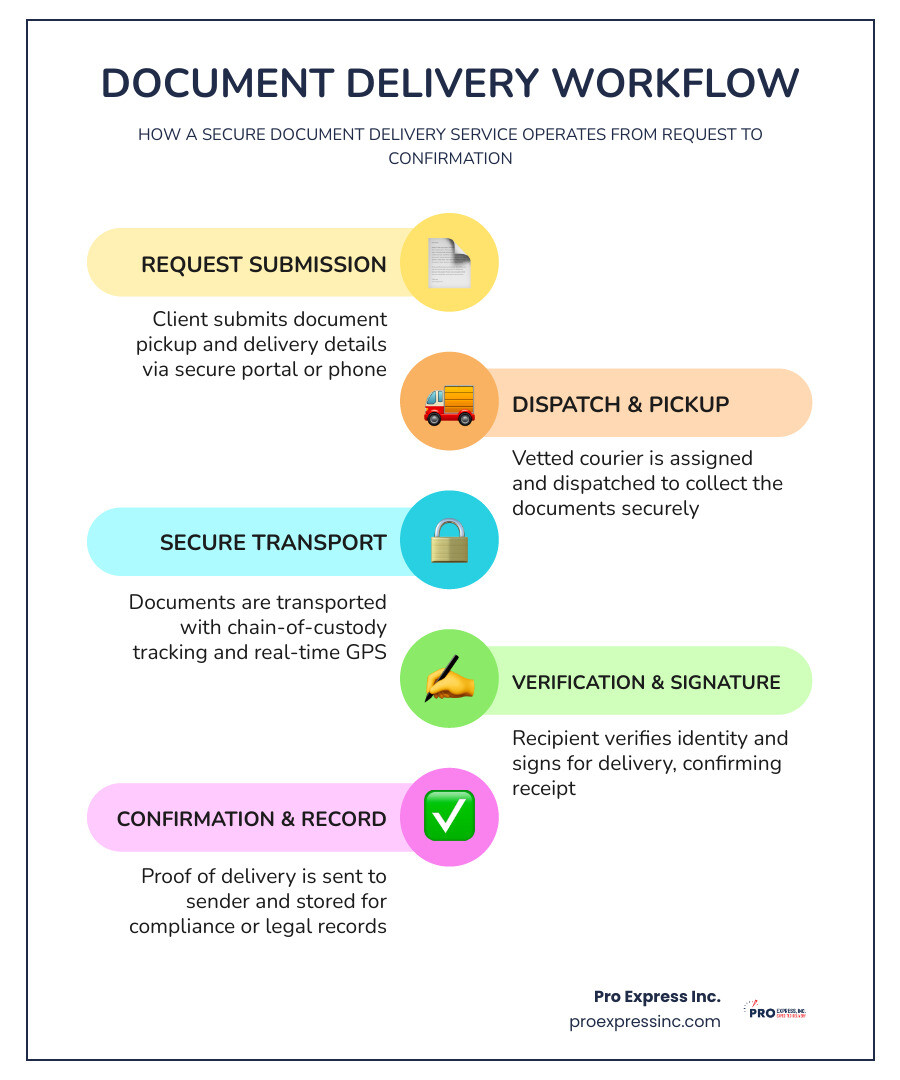
A document delivery service is a professional solution for transporting, retrieving, or transmitting critical paperwork — from legal filings and contracts to medical records and patents — with speed, security, and a verified chain of custody.
Here’s what you need to know at a glance:
- Legitimate services move physical or digital documents on behalf of businesses, law firms, hospitals, and research institutions
- Same-day and expedited delivery is standard for urgent legal or corporate paperwork
- Scammers impersonate document delivery services by phone, using legal-sounding threats to extract personal information or money
- Red flags include vague company names, spoofed caller IDs, and pressure to call back an unverified number
- If you receive a suspicious call, do not call back — verify independently through official channels
But here’s the problem: the same trusted name is being hijacked by fraudsters.
One manager at a technology company recently received a voicemail claiming a document delivery service had made multiple attempts to hand-deliver legal papers — and that failure to respond would result in a “failed action to serve.” It was a scam.
For operations and logistics managers who rely on fast, secure document transport to keep deals closed and deadlines met, knowing the difference between a real service and a phishing operation is not optional. It is essential.
This guide breaks down how legitimate document delivery works, how scammers exploit it, and how to protect your business.
Document delivery service helpful reading:
What is a Legitimate Document Delivery Service?
In the commercial world, a legitimate document delivery service is a specialized logistics and retrieval solution. It is designed for high-stakes environments where digital files are either insufficient or legally invalid. Despite the rise of paperless offices, physical signatures, wet-ink contracts, certified court filings, and original identity documents remain the bedrock of modern commerce and law.
Legitimate services operate under two primary models:
- Physical Logistics and Courier Services: This involves the physical transport of high-value, sensitive paper documents. Professional Courier Service options ensure that sensitive materials never enter automated, high-volume shipping hubs where they can easily be lost or delayed. Instead, they are transported via a secure, closed-loop chain of custody from point A to point B.
- Academic and Professional Retrieval Services: Academic libraries, research institutions, and corporate databases utilize specialized digital Document Delivery Services to source and transmit scholarly articles, book chapters, and patents. These services operate strictly within copyright laws and the fair-use doctrine, ensuring that global research networks can access critical information rapidly and legally.
Whether digital or physical, legitimate operations are defined by transparency, strict adherence to compliance standards, and a verifiable audit trail. They never rely on anonymous phone calls or vague threats to complete their daily operations.
Types of Critical Paperwork Handled by a Document Delivery Service
Corporate logistics managers and legal departments rely on professional document delivery to move paperwork that is too sensitive or time-critical for standard mail. The types of documents commonly handled include:
- Legal and Litigation Materials: Original complaints, petitions, summons, answers, motions, and dismissals. Legal couriers must navigate specific courthouse layouts, locate precise judges’ chambers, and secure physical “Received” file stamps from court clerks to prevent a case from being compromised.
- High-Security and Identity Documents: Original passports, visas, bearer bonds, and certificates with raised seals. These items often require immediate transport to airport terminals or foreign consulates to rescue business travel plans or secure international transactions.
- Scientific and Academic Research: Scholarly journal articles, conference proceedings, and technical reports. Platforms like Document Delivery – ReadCube allow corporate research teams and medical affairs departments to preview and obtain full-text literature to ensure compliance during regulatory submissions.
- Intellectual Property and Patents: Original patent filings, standards, and trademarks retrieved from specialized global databases or physical archives. Organizations like Documents Delivered provide research professionals with access to verified publications worldwide.
- Corporate Contracts and Mergers: Wet-ink contracts requiring immediate signatures across different corporate offices. These are often handled via “Wait & Return” courier routes to keep multi-million dollar deals on track.
How Scammers Impersonate Document Delivery Services
Because businesses and individuals naturally treat legal and court-related paperwork with a high degree of urgency, scammers frequently use the guise of a “document delivery service” to execute sophisticated phishing schemes.
Fraudsters know that a missed court date or a pending lawsuit can throw a business into panic. They exploit this anxiety to bypass standard security protocols and security training.
Unlike legitimate research databases such as Document Delivery – East View, which operate through official corporate portals, scammers initiate contact through unsolicited, high-pressure phone calls and automated voicemails. They rely on the fact that busy managers may react out of fear before verifying the caller’s credentials.
The Mechanics of a Document Delivery Service Scam
The scam typically begins with a phone call or a voicemail. The caller claims to be an agent representing a “document delivery service” or a “legal dispatch office.”
To understand how these criminals operate, let us look at the step-by-step sequence of a standard document delivery scam:
- The Spoofed Call: The scammer calls using a spoofed local number to make the call appear trustworthy.
- The Urgency Hook: The caller leaves a voicemail claiming they have legal documents requiring an immediate signature. They often cite a fictional “file number” or “case ID” to sound official.
- The Threat of Escalation: The scammer warns that if the recipient does not call back to schedule a delivery, it will be marked as a “failed action to serve,” and legal proceedings will continue without their input.
- The Extortion Attempt: When the victim calls the toll-free callback number in a panic, the “agent” claims the documents relate to an outstanding debt. They demand an immediate payment of $100 to $500 via credit card or wire transfer to “settle the matter” and stop the legal action.
According to reports filed with the BBB Scam Tracker, victims of this specific scam frequently report financial losses ranging from $100 to $500. The scammers rely on basic personal information harvested from data breaches to build false trust. They may already know your full name, business address, or phone number, using these details to convince you that the pending legal matter is real.
Red Flags and How to Protect Your Business
Protecting your business from these imposter scams requires a combination of operational vigilance and strict verification protocols. Scammers rely on speed and panic; by slowing down and looking for specific warning signs, you can easily identify a fraudulent call.

When evaluating a suspicious call or voicemail, keep these critical red flags in mind:
- Vague Corporate Names: Scammers will use generic terms like “document delivery services” or “legal dispatch” instead of a specific, verifiable company name.
- Mismatched Contact Information: The caller ID may show a local spoofed number, but the voicemail instructs you to call a completely different toll-free number.
- High-Pressure Threats: Statements warning of an immediate “failed action to serve” or threatening that sheriff’s deputies are on their way to your office are classic signs of fraud.
- Demands for Over-the-Phone Payment: Legitimate process servers and document couriers do not collect debts or demand credit card details over the phone to resolve a delivery.
To keep your logistics secure, refer to The Ultimate Guide to Courier Delivery Services to establish standard protocols for accepting physical deliveries.
Legitimate Services vs. Scam Operations
| Feature | Legitimate Document Delivery | Scam Imposter Operations |
|---|---|---|
| Identification | Clearly states the company name, the sender, and the nature of the delivery. | Uses vague, generic terms like “document dispatch” or “legal delivery.” |
| Communication | Provides official tracking links and verifiable corporate contact details. | Relies on high-pressure voicemails with mismatched callback numbers. |
| Payment Model | Billed through established corporate accounts or secure online portals. | Demands immediate credit card or wire transfer payments over the phone. |
| Legal Authority | Process servers must follow strict state regulations and cannot threaten you. | Uses aggressive legal jargon and threats of immediate arrest or lawsuits. |
| Verification | Documents can be verified through official court portals or the sending firm. | Refuses to provide verifiable case details or the name of the filing party. |
Frequently Asked Questions
What is a failed action to serve?
In legitimate legal terminology, a “failed action to serve” occurs when a professional process server is unable to physically deliver legal papers to a named defendant after multiple diligent attempts.
Scammers use this term as a scare tactic to imply that you are actively evading the law. However, in the real legal system, if a process server cannot reach you, they must petition the court for alternative service methods (such as serving you via mail or publishing a notice). They do not call you on the phone to demand money to cancel the service.
How fast do legitimate document delivery services operate?
The speed of a legitimate service depends heavily on whether the document is digital or physical:
- Digital Sourcing: For scientific and academic literature, services like Comprehensive Document Delivery, Online Ordering | GKDocuments boast impressive speeds. Statistics show that 98% of document delivery orders are fulfilled the same business day, with 80% of requests filled within 24 hours, and 60-70% of digital requests filled in 5 minutes or less.
- Physical Courier Sourcing: For physical, high-security legal filings and contracts, turnaround times range from a few hours for same-day runs to 24-48 hours for regional transport. If you need to arrange urgent physical transport, utilizing a Same Day Courier Service Your 2026 Guide ensures that your critical paperwork is coordinated swiftly and securely.
How do I verify if a document courier is real?
If you receive a call claiming that legal documents are pending for your business, take a breath and follow these steps:
- Ask for Specifics: Demand the name of the law firm or court filing the documents, the case number, and the official name of the courier company.
- Do Not Use the Callback Number: Hang up and look up the official phone number of the alleged court, agency, or law firm independently.
- Check the Court Portal: Most local, state, and federal courts allow you to search active dockets online using your business name to see if any real lawsuits have been filed.
- Report Suspicious Activity: If the call is clearly fraudulent, report the details and the phone numbers used to the BBB Scam Tracker to help protect other logistics and operations managers.
Conclusion
In high-stakes business-to-business logistics, time is money, and security is paramount. When your operations require the urgent transport of sensitive, original paperwork, you cannot afford to leave your chain of custody to chance — or to fall victim to fraudulent schemes.
At Pro Express Inc., we specialize in coordinating expedited ground shipping, same-day runs, and nationwide hot-shot deliveries. Founded in 2007 by Peter Jałowiec, we have spent nearly 20 years building a reputation as a trusted freight broker. We connect operations, manufacturing, and medical logistics managers with a highly vetted carrier network to move critical cargo safely and rapidly.
Whether you need to coordinate the delivery of sensitive legal contracts, high-value manufacturing blueprints, or urgent medical documentation, we arrange specialized transport solutions — including Exclusive Hot Shots, White Glove, and Inside Delivery — to keep your business moving forward. With over 10,000 shipments coordinated and a 99% client satisfaction rating, we are the partner you can rely on when deadlines are tight and security is non-negotiable.
Don’t let logistics failures or security risks compromise your business. Let us handle the coordination of your most critical shipments.
Courier Delivery Services are just a click away. Contact Us Today or Request a Quote to secure your next urgent shipment.