
How Point-to-Point Direct Ground Shipping Works
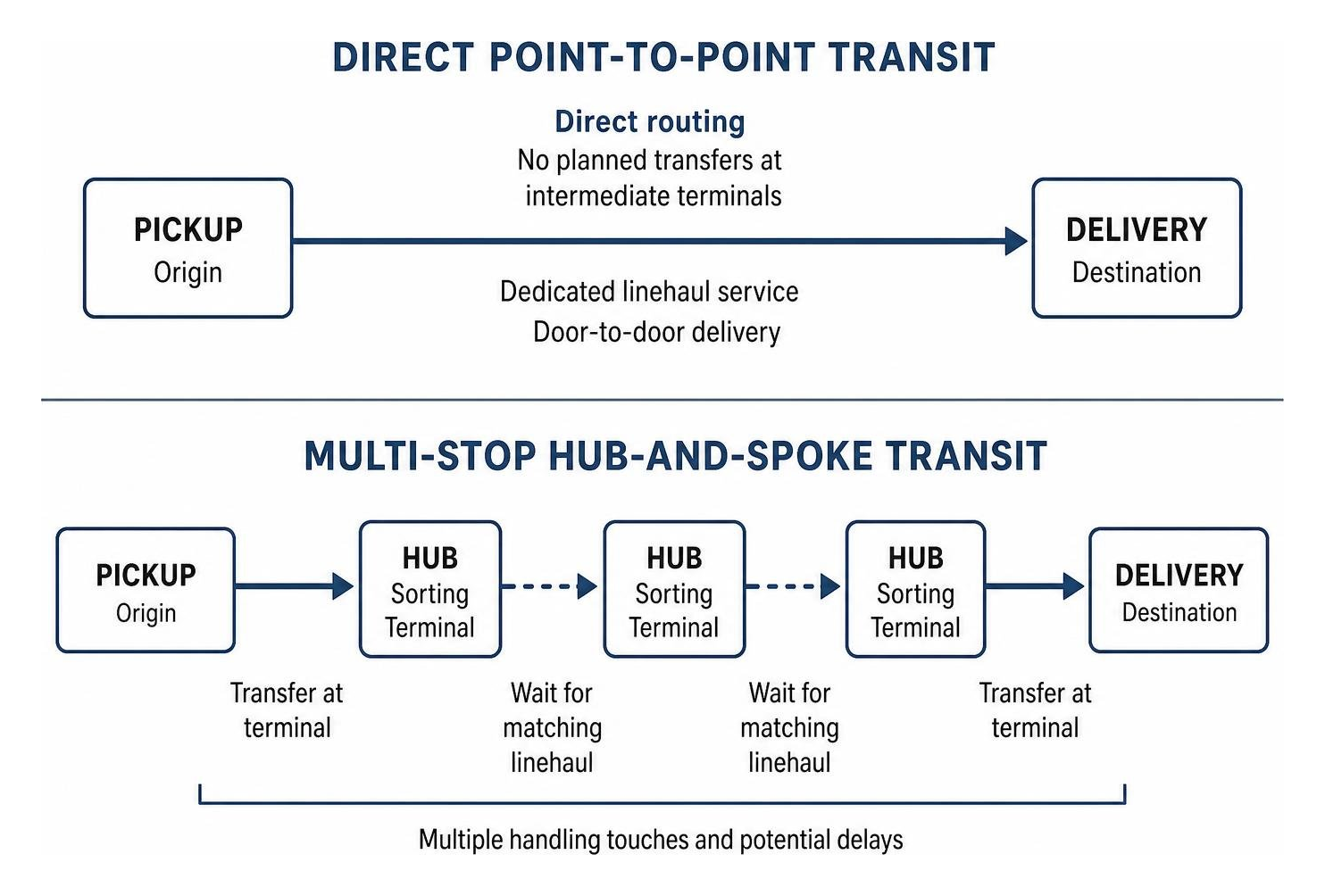
For point to point direct ground shipping, move freight from pickup to delivery without planned transfers at intermediate terminals. Start by sharing the cargo size, pickup and delivery windows, and handling needs. That lets a carrier plan the route and choose suitable equipment while keeping handling to a minimum.
Direct routing describes how the shipment moves, not how you book it. Pro Express Inc. coordinates same-day, next-day, and hot-shot ground shipments through a vetted carrier network across the contiguous United States.
Point to point direct terminology:
Understanding Point to Point Direct Freight in Ground Transportation
In traditional freight transport, shipments often bounce across regional sorting hubs before reaching their final destination. In contrast, point to point direct freight assigns dedicated ground capacity solely to your shipment. Once loaded at your facility, the vehicle departs straight for the consignee’s receiving dock without detours, consolidation steps, or intermediate sorting facilities.
This approach provides a dedicated linehaul service where door-to-door delivery preserves total cargo integrity. A standard Definition of Full Truck Load (FTL) underscores that a direct move locks in the entire trailer space for one shipper. By utilizing comprehensive FTL ground freight services, logistics managers secure dedicated space that moves directly from origin to destination across the lower 48 states.
How Point to Point Direct Routing Eliminates Mid-Transit Delays
Traditional multi-stop networks rely heavily on hub-and-spoke sorting. While this model works for non-urgent parcel distribution, it introduces recurring points of failure for time-critical B2B freight. Shipments sit in break-bulk terminals waiting for matching linehaul trailers, risk missed departure windows, and face unpredictable transfer queues.
By bypassing hubs entirely, direct point-to-point transit maintains continuous transit. As detailed in the Delivery Industry Dictionary, removing consolidation docks minimizes handling touches. When freight moves directly on a dedicated vehicle, transit time is dictated solely by continuous driving hours and highway miles rather than terminal staffing schedules.
How Dedicated Routes Reduce Freight Re-Handling
Every time a forklift touches a pallet at a cross-dock facility, the risk of puncture, crushed packaging, or structural damage increases. Standard multi-carrier networks transfer cargo between local pickup trucks, regional sorting docks, long-haul trailers, and local delivery units.
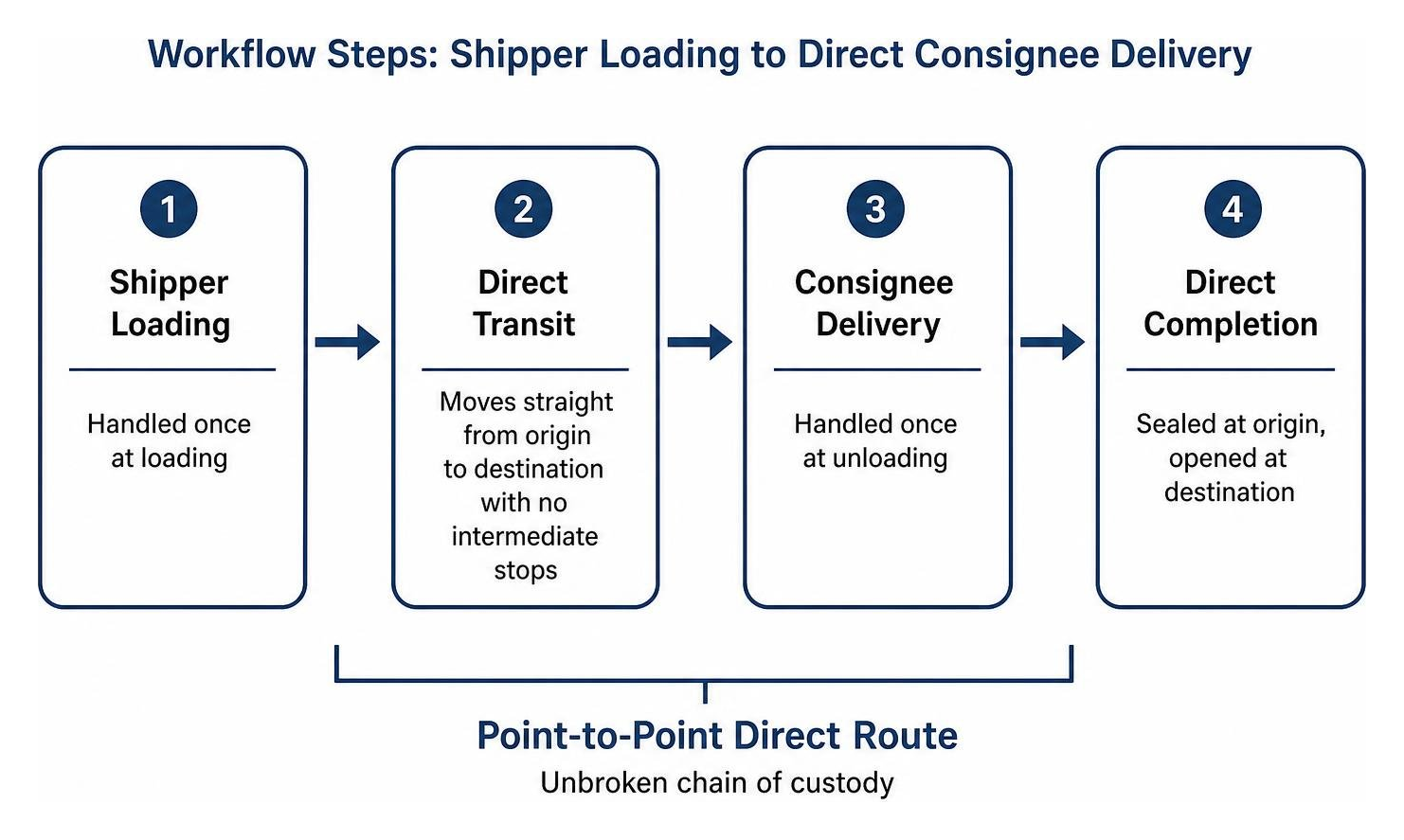
An effective expedited ground freight strategy eliminates these touchpoints through cargo segregation. In a direct routing setup, cargo is loaded, secured with load locks or straps, and protected by numbered trailer seals at origin. The seal remains intact until the consignee cuts it, ensuring an unbroken chain of custody.
Core Operational and Security Advantages for B2B Supply Chains
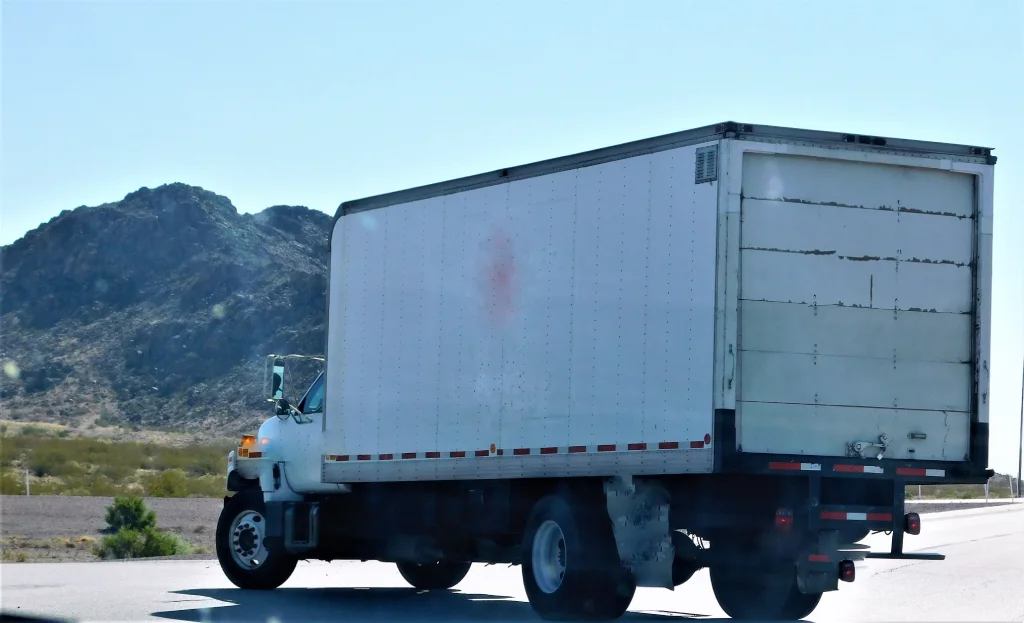
Operating with dedicated routes provides essential operational predictability for manufacturing, assembly, and specialized commercial operations. When supply chains run lean, unexpected carrier delays create cascading line-down emergencies.
Direct routing mitigates logistical friction by synchronizing dispatch times directly with production schedules. According to the American Transportation Research Institute (ATRI), driver detention and dock congestion significantly disrupt driver availability across the freight sector. Direct ground transit reduces dwell times by establishing clear, scheduled pickup and delivery appointments at individual shipper docks.
Cargo Protection and Chain of Custody Control
High-value components, fragile architectural items, and sensitive commercial equipment require rigorous cargo protection. When your freight shares a trailer with other shippers’ goods, it is exposed to shifts in balance, hazardous chemical fumes, and rough pallet maneuvers during intermediate sorting.
Direct ground transit segregates your cargo completely. Drivers secure the freight immediately after loading, preventing cross-contamination and transit shifts. For specialized commercial freight such as medical technology or architectural lighting fixtures, this uninterrupted custody is vital for maintaining product performance.
Precise Scheduling and Predictable Delivery Windows
Manufacturing facilities and clinical institutions operate on tight delivery windows. A delayed delivery of crucial parts can halt an entire production shift, causing substantial operational downtime.
Direct transit provides time-definite dispatch that aligns perfectly with Just-In-Time (JIT) replenishment models. Understanding how to speed up cargo delivery through dedicated vehicle coordination helps operations managers maintain dock scheduling discipline and avoid severe plant shutdowns across the contiguous United States.
Best-Fit Industries and Equipment for Direct Route Logistics
Direct ground logistics serves industries where delivery timing and product protection directly impact operations:
| Transit Feature | Point-to-Point Dedicated Freight | Indirect Multi-Touch Routing |
|---|---|---|
| Intermediate Stops | None; moves straight from origin to destination | Multiple break-bulk hubs and sorting terminals |
| Cargo Handling | Handled once at loading and once at unloading | Re-handled multiple times by forklifts and cross-docks |
| Transit Predictability | Continuous ground transit based on highway miles | Dependent on terminal sorting cycles and dock queues |
| Chain of Custody | Unbroken; sealed at origin, opened at destination | Broken across multiple handlers, trailers, and facilities |
| Scheduling Precision | Exact dock appointment windows | Broad multi-day or variable delivery timeframes |
Implementing Point to Point Direct Operations for Critical B2B Freight
Specific sectors rely heavily on point to point direct freight to safeguard their continuous operations:
- Automotive Manufacturing: Assembly plants depend on JIT deliveries of sub-assemblies, stamping dies, and wire harnesses to prevent line-down situations.
- Medical & Healthcare Devices: Diagnostics machinery, hospital equipment, and time-sensitive clinical supplies require clean, non-stop ground transit.
- Industrial Engineering: Heavy machinery components, replacement pumps, and electrical distribution gear moving to active plant sites require dedicated transport.
- Commercial Lighting Fixtures: Fragile, high-end architectural fixtures require zero terminal re-handling to prevent cosmetic or electrical damage.
When production deadlines loom, utilizing urgent freight transportation solutions ensures that critical parts move swiftly between supply hubs and production lines.
Matching Equipment to Dedicated Ground Freight
Selecting the correct vehicle profile prevents unnecessary dead space and ensures proper cargo securement:
- Sprinter & Cargo Vans: Ideal for small, critical replacement parts, medical shipments, or small palletized freight up to several thousand pounds.
- Straight Trucks (Box Trucks): Suited for mid-sized freight, multiple standard pallets, or machinery requiring liftgate access and inside delivery capabilities.
- Dry Vans: Standard 53-foot trailers dedicated to full plant-to-plant transfers, bulk pallet loads, and large manufacturing runs.
- Flatbed Hot-Shots: Designed for open-deck machinery, construction tools, or oversized industrial equipment requiring crane or side loading.
Arranging specialized hot shot logistics allows shippers to deploy dedicated flatbeds or straight trucks matched precisely to urgent cargo specifications.
Fleet Visibility and Route Management Technology
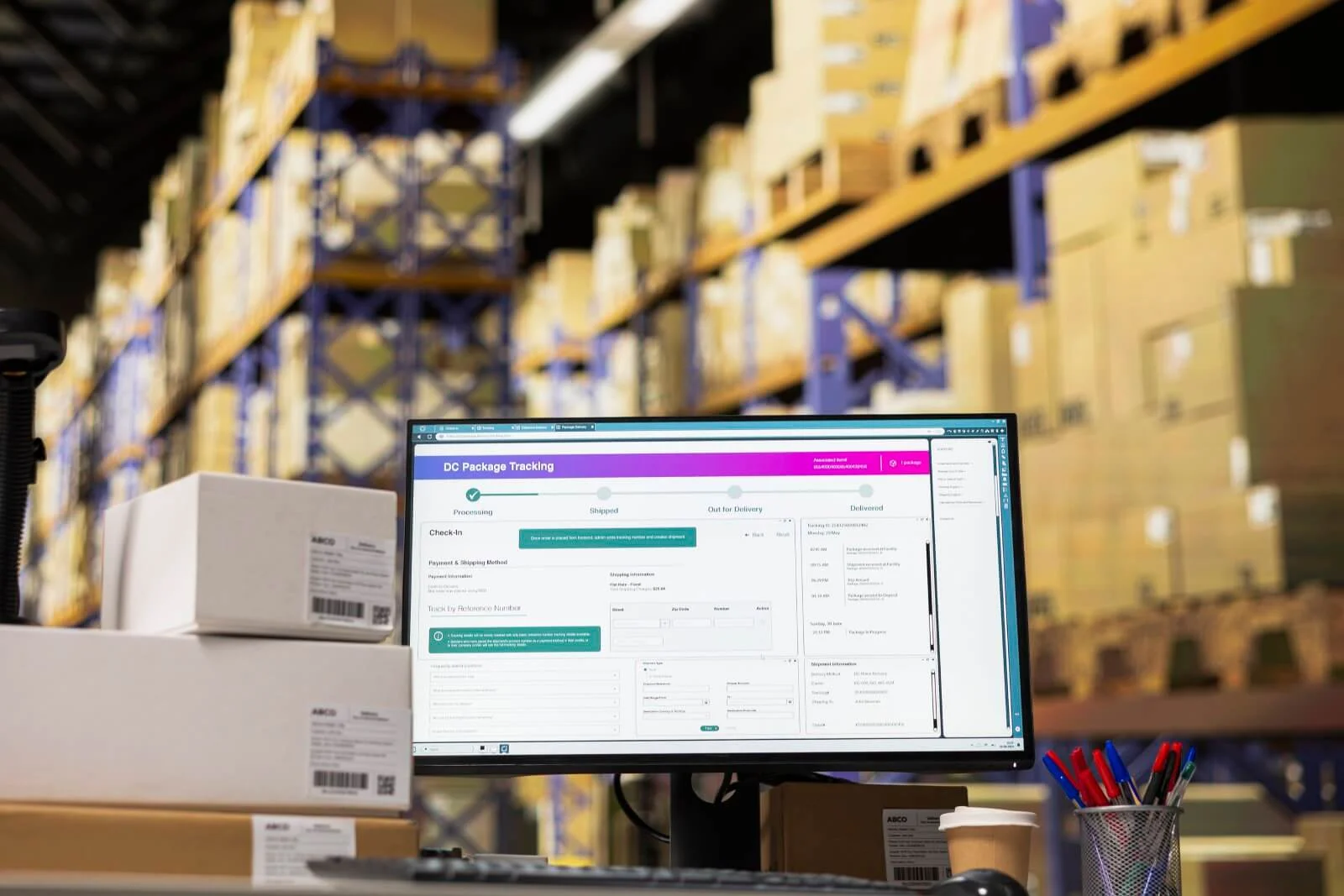
Modern direct routing relies on robust digital communication to ensure full shipment visibility. Because dedicated freight bypasses intermediate sorting terminals, tracking data is gathered directly from vehicle telematics rather than terminal barcode scans.
Real-time integration gives operations teams clear oversight of freight across every mile of contiguous US highways.
Real-Time Tracking and Milestone Notifications
Advanced GPS monitoring and automated geofencing provide continuous milestone updates from dispatch to final delivery. Using advanced freight tracking systems, dispatchers track vehicle speed, route compliance, and live traffic conditions. This automated monitoring calculates dynamic estimated arrival times (ETAs) and identifies potential weather or highway exceptions before they cause delivery delays.
Standardizing Operating Procedures for Drivers
Smooth point-to-point transit relies on precise communication and standardized documentation. Before departure, operating procedures establish clear expectations for:
- Bill of Lading (BOL) Verification: Validating piece counts, weights, and securement instructions before departing the pickup facility.
- Trailer Seal Verification: Recording intact numbered seal identifiers on the shipping manifest.
- Direct Routing Protocols: Directing drivers along optimal interstate routes without unauthorized off-route deviations.
- Electronic Proof of Delivery (ePOD): Capturing consignee signatures, timestamped images, and receiving documentation immediately upon final unloading.
Frequently Asked Questions About Point to Point Direct Freight
How does point to point direct freight differ from shipping through intermediate terminals?
Point-to-point direct freight travels from pickup straight to delivery without routing through intermediate break-bulk hubs or sorting cross-docks. Eliminating transfer points prevents unnecessary cargo re-handling and maintains an unbroken chain of custody.
What equipment types are typically used for point-to-point dedicated ground shipping?
Equipment options include sprinter vans, straight trucks with liftgates, standard 53-foot dry vans, and flatbed hot-shots. The specific vehicle is selected based on cargo weight, dimensions, pallet counts, and destination loading dock capabilities.
Which industries benefit most from direct ground transit across the contiguous United States?
Automotive manufacturing, medical technology, industrial machinery, and commercial lighting fixture sectors benefit significantly from direct transit. These industries require exact dock scheduling, intact product security, and non-stop highway transit to support JIT operations.
Conclusion
Direct route logistics eliminates intermediate terminal delays, protects cargo integrity, and delivers the scheduling precision that modern supply chains demand. By coordinating point to point direct freight through an experienced freight brokerage, businesses gain end-to-end control over their time-critical shipments.
At Pro Express, Inc., we coordinate expedited ground shipping, same-day, next-day, and exclusive hot shot services across the contiguous United States. Based in Oak Brook, Illinois, our brokerage has been in business since 2007. With nearly 20 years of experience coordinating expedited freight, we have arranged over 10,000 delivered shipments, achieved a 99% client satisfaction rate, and maintained trusted relationships with clients returning for over 13 years. Our 24/7 team matches your urgent freight with a vetted carrier network to ensure safe, direct transport from dock to dock.
Contact Us Today to coordinate your next dedicated ground shipment.