
Expedited ground freight is essential for businesses needing speed and reliability. Here are the main points to remember about these fast shipping solutions:
Key Takeaways
- Expedited ground freight moves goods faster than standard shipping, often within 1-3 days, using dedicated routes.
- Key services include same-day/next-day delivery, hot shot trucking, and exclusive use vehicles for security and speed.
- Team drivers and 24/7 monitoring help ensure continuous transit and real-time tracking for critical shipments.
- This service is vital for emergencies, time-sensitive goods like medical supplies, and maintaining production lines.
- Choosing the right partner means evaluating their capabilities, understanding service agreements, and looking for on-demand pickup.
Understanding Expedited Ground Freight
In today’s fast-paced business world, waiting around for shipments just doesn’t cut it anymore. Standard shipping methods, while reliable for many things, often involve multiple stops and transfers at various hubs. This can add days to your delivery time, which is fine for non-urgent items, but a real problem when you need something quickly. That’s where expedited ground freight comes in. It’s basically a way to get your goods moving faster than the usual pace.
Defining Expedited Shipping vs. Standard Methods
Think of standard shipping like taking a bus route with many stops. Your package gets on, goes to a central station, gets sorted, then gets on another bus, and so on, until it reaches its final destination. It’s cost-effective but slow. Expedited shipping, on the other hand, is more like a direct taxi ride. Your shipment gets priority handling and often travels directly from pickup to delivery, bypassing many of the usual transfer points. This significantly cuts down transit times. While standard shipping might take anywhere from 3 to 7 business days, expedited services typically aim for 1 to 3 business days, and sometimes even same-day delivery.
Key Differences in Transit and Handling
The main difference really boils down to how your freight is treated. With standard shipping, your items might sit in a terminal for a while before being loaded onto a truck. They’ll likely be consolidated with other shipments and go through several sorting facilities. Expedited freight, however, is treated differently from the moment it’s picked up. It’s often the first thing loaded onto a dedicated vehicle, or it travels on a truck that’s specifically assigned to your load, meaning no unnecessary stops or delays caused by other people’s cargo. This direct approach minimizes handling, which not only speeds things up but also reduces the risk of damage or loss. For businesses dealing with time-sensitive materials, this level of care is incredibly important.
When to Transition from Standard to Expedited Services
So, when should you consider switching gears from standard to expedited? There are a few key indicators. If you’re facing production line shutdowns due to a missing part, or if your inventory is running critically low and a stock-out would halt sales, that’s a clear sign. Also, if you’re shipping perishable goods like fresh produce or vital medications that have a short shelf life, standard transit times are simply not an option. Even for important business documents or contracts with hard deadlines, the reliability of expedited services can be a lifesaver. Essentially, if the cost of a delay far outweighs the extra cost of expedited shipping, it’s time to make the switch. You might find that expedited ground services are the solution you need.
Here’s a quick look at when to consider expedited:
- Production Line Stoppages: A critical component is missing, and the factory floor is idle.
- Perishable Goods: Food, flowers, or medical supplies that will spoil if not delivered quickly.
- Urgent Customer Orders: A major client needs a shipment immediately to avoid penalties or lost business.
- Emergency Replenishment: Stock levels are dangerously low, and immediate replenishment is required.
- Time-Sensitive Documents: Legal papers, contracts, or other critical documents with strict delivery deadlines.
The decision to use expedited shipping isn’t just about speed; it’s a strategic choice to mitigate risk and maintain operational continuity. When the consequences of a delay are significant, investing in faster transit becomes a necessity, not a luxury.
Core Components of Rapid Response Logistics
When your business needs something moved now, it’s not just about speed; it’s about a whole system designed for urgency. Standard shipping relies on consolidation and multiple stops, which is fine for everyday needs. But for those critical moments, you need a different approach. Rapid response logistics is built around getting your freight from point A to point B with minimal fuss and maximum velocity. It’s about having the right tools and strategies in place so that when a crisis hits, your shipping solution is ready.
Exclusive Use Vehicles for Maximum Security
Think of an exclusive use vehicle as your shipment’s private jet on the road. This means the truck, van, or cargo carrier is dedicated solely to your freight. No other company’s goods are loaded onto it. This isn’t just about keeping your items separate; it’s a major security boost. When your cargo isn’t mixed with others, the risk of damage, loss, or theft goes way down. Plus, it means no unexpected delays because another shipment needs to be added or removed. It’s a direct, secure line from pickup to delivery. This is especially important for high-value items or sensitive materials where every touch point is a potential risk. For businesses in sectors like technology or aerospace, where components can be incredibly valuable and delicate, this level of control is non-negotiable. It’s the difference between a smooth transit and a potential headache.
Team Driver Operations for Continuous Transit
Driving regulations, like Hours of Service (HOS), mean a single driver can only operate a truck for a set number of hours before needing a mandatory rest break. For standard shipping, this is just part of the process. But for expedited needs, those stops can add significant time. That’s where team drivers come in. By having two drivers who can alternate behind the wheel, the truck can keep moving almost non-stop. One driver rests while the other drives, allowing for continuous transit across long distances. This effectively cuts transit times in half compared to a single-driver operation. It’s the backbone of getting freight across the country in one or two days, rather than five or more. This method is crucial for time-sensitive loads that absolutely cannot afford to sit idle at a rest stop.
Hot Shot Trucking for Time-Critical Loads
Hot shot trucking is essentially the ambulance service of the freight world. It’s designed for those loads that need immediate pickup and direct delivery, often for urgent repairs or last-minute needs. These are typically medium-duty trucks, like heavy-duty pickups with trailers or straight trucks, that are agile enough to get into places larger semi-trucks might struggle with. The key here is speed and dedication. A hot shot truck is dispatched specifically for your load, and it goes straight to your destination without any other stops. This makes it perfect for situations like an "Aircraft on Ground" (AOG) scenario, where a grounded plane needs a specific part immediately, or when a manufacturing line is down and a replacement component is needed urgently. It’s the go-to solution when every minute counts and standard delivery windows are simply too long. You can find reliable hot shot trucking services that specialize in these urgent movements.
Tailored Solutions for Urgent Shipping Needs
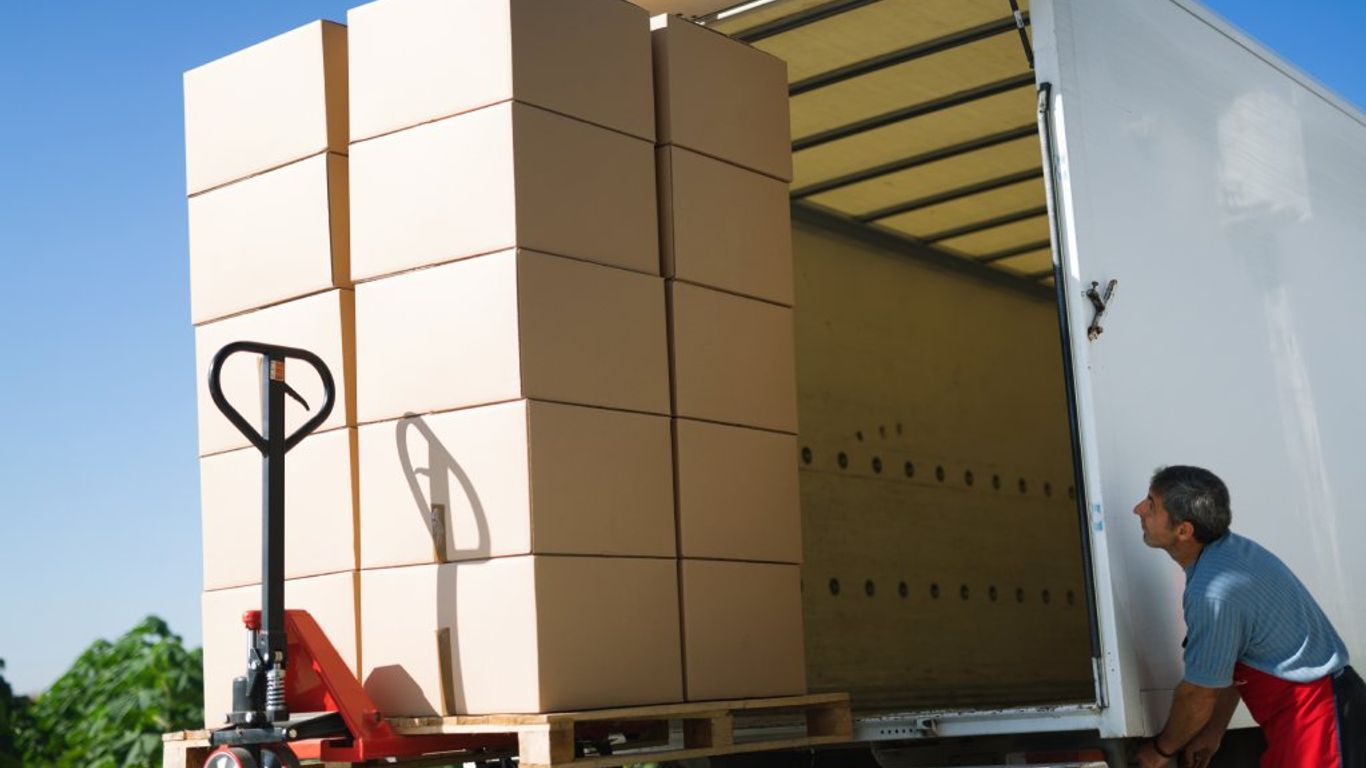
When a traditional carrier’s delivery window just won’t cut it, expedited ground freight steps in. It’s built for those moments when a shipment absolutely has to arrive—today, tomorrow, or even within hours. Urgency isn’t a feature here; it’s the core of the service. Whether you’re running a busy warehouse, a hospital, or a production line, having access to a menu of emergency shipping options can save jobs and reputations in one go.
Same-Day and Next-Day Ground Delivery
For businesses working against the clock, same-day and next-day ground delivery are not perks—they’re survival tools. These services operate outside the limits of standard courier hours, covering any U.S. origin and destination with direct, non-stop transport.
Key facts about these rapid options:
- You get a dedicated truck or van. No other stops, co-mingling, or handoffs.
- Pickup can be arranged at practically any time, including weekends or late evenings.
- Delivery is point-to-point, reducing risk of loss or damage usually seen in sorting hubs.
Here’s a quick comparison:
| Service Level | Best For | Equipment Used |
|---|---|---|
| Same-Day | Emergency repairs, critical documents | Vans, Sprinter, Couriers |
| Next-Day | JIT inventory, urgent replenishment | Hot-shot, Box trucks |
If your shipment is worth more than the cost of delay, same-day or next-day freight is often the only rational choice.
You can learn about dedicated expedited ground services and how they offer highly flexible, prompt pickups without the usual carrier bottlenecks.
Medical and Pharmaceutical Courier Services
Shipping for healthcare isn’t just fast—it’s careful and compliant. Medical and pharmaceutical shipments need to move quickly, but also under strict handling rules and full traceability. That includes temperature control for biologics, special documentation for chain-of-custody, and drivers trained in regulatory protocols. Businesses in this sector choose couriers offering:
- Dedicated, exclusive vehicles between pickup and hospital, lab, or clinic
- Real-time GPS tracking and route monitoring
- 24/7 availability, including holiday and overnight pickups
Medical professionals trust these services to move urgent test samples, surgical equipment, or life-saving drugs. If a shipment arrives late, it’s not just a financial loss—sometimes, it’s much worse.
B2B Shipping for Manufacturers and Distributors
Industrial supply chains depend on urgency. If a machine breaks and a replacement part is across three states, getting it within hours is sometimes the only way to keep a line running. For manufacturers, wholesalers, or distributors, tailored expedited freight is structured for ongoing or emergency needs:
- Frequent routes or on-call capacity for recurring shipments
- Liftgate-equipped trucks for heavy, awkward loads
- Palletized, banded freight moved direct with proper driver training
- Flexible scheduling that goes beyond typical business hours
Service isn’t a catchall—these are solutions picked to match the shipment’s size, value, and deadline.
- Firm delivery windows help prevent production delays
- Real-time updates and single-point-of-contact communication
- Scalable equipment options (vans for parts, box trucks for multiple pallets)
For manufacturers who can’t risk a late part stopping a line, these tailored shipping plans are a lifeline. Combine that with access to premium logistics services focused on speed, and you’ve got a strategy that doesn’t just respond to business needs, but stays ahead of them.
Maximizing Reliability and Visibility
When you’re paying for speed, you deserve to know exactly where your investment is. That’s why top-notch expedited ground freight services put a huge emphasis on keeping you in the loop. It’s not just about getting your shipment there fast; it’s about having peace of mind knowing it’s on track.
24/7 Monitoring and Geo-fencing
Think of this as having eyes on your shipment all the time. Dispatch teams don’t just set it and forget it. They’re actively watching your cargo’s journey, day and night. Geo-fencing technology is pretty neat; it means we get instant alerts if a truck veers off its planned route or if it enters or leaves a specific geographic area. This proactive approach helps catch potential issues before they become big problems.
Real-Time Tracking and Communication
Forget milestone-based updates that might be a day old. Expedited shipping means real-time GPS tracking. You can see your shipment’s precise location, usually updated every few minutes. This level of detail is a game-changer compared to the general "In Transit" status you get with standard shipping. It means you can provide accurate ETAs to your own customers or adjust your internal operations based on solid data. If you’re shipping something across the country, knowing the truck is making good time is way more helpful than just getting a daily scan update.
Dedicated Support and Single Point of Contact
Dealing with a massive call center when you have an urgent shipment can be frustrating. Expedited services often provide a dedicated support team or even a single point of contact. This person knows your shipment inside and out. They can answer your questions quickly and accurately, cutting through the red tape. It makes a huge difference when you’re trying to manage a tight deadline and need clear, direct communication. This kind of personalized service is a big part of what you’re paying for when you choose expedited options.
The difference between a successful delivery and a logistics nightmare often comes down to reliability. Standard shipping is a "best effort" service, but time-sensitive freight demands guaranteed performance. Knowing your shipment is being actively monitored and that you have a direct line to someone who can help provides that critical assurance.
Choosing the Right Expedited Ground Freight Partner

Finding the right company to handle your urgent shipments is a big deal. It’s not just about picking the first name you see; you need a partner who really gets what "time-sensitive" means for your business. Think about it – a late delivery can stop your production line dead in its tracks, cost you a client, or even mess up a critical project. So, how do you pick the best fit?
Evaluating Carrier Capabilities
First off, you’ve got to look at what they can actually do. Do they have the right kind of trucks for your stuff? If you’re shipping a few pallets, a cargo van or a straight truck might be perfect. But if it’s a massive load, you’ll need a full truckload (FTL) option, maybe even with a team of drivers so it doesn’t stop moving. It’s also smart to check their service area. A provider with a wide network means they can probably handle shipments anywhere in the U.S., which is a huge plus if your business operates nationally. You want a carrier that can handle everything from medical supplies to manufacturing parts without breaking a sweat.
Understanding Service Level Agreements
This is where you get down to the nitty-gritty. A Service Level Agreement, or SLA, is basically a contract that spells out exactly what you can expect. It should clearly define things like:
- Transit times: What’s the guaranteed delivery window?
- Pickup times: How quickly can they get to you after you book?
- Tracking capabilities: How will you know where your shipment is?
- Communication protocols: Who do you talk to, and how often will you get updates?
- Liability and insurance: What happens if something goes wrong?
Don’t just skim this part. A solid SLA is your best defense against misunderstandings and ensures you’re both on the same page. It’s the backbone of a reliable partnership.
Benefits of an On-Demand Pickup Service
When you’re dealing with urgent freight, waiting around for a pickup window is the last thing you need. That’s where on-demand pickup really shines. It means that when your shipment is ready, they dispatch a driver right away. No more scheduling pickups hours or even days in advance. This flexibility is a game-changer for businesses that operate on tight schedules or deal with unexpected rushes. It’s like having a dedicated courier ready to go at a moment’s notice, ensuring your critical items start their journey immediately.
Choosing the right partner means looking beyond just the price tag. It’s about finding a company that offers the right mix of speed, reliability, communication, and flexibility to keep your operations running smoothly when every minute counts. They should feel like an extension of your own team, ready to jump into action whenever a critical shipment is needed.
Critical Use Cases for Expedited Shipping
Sometimes, your business just can’t wait for standard shipping. We’re talking about those moments when a delay isn’t just an inconvenience; it’s a full-blown crisis. Expedited shipping steps in when the cost of waiting far outweighs the cost of getting it there fast. It’s about keeping things moving, plain and simple.
Emergency Replenishment and Production Line Support
Imagine a critical part breaks on your main assembly line. Every minute that machine is down, you’re losing serious money. Standard shipping might take days to get that part to you, but expedited ground freight can have it there in hours. This isn’t just about getting a replacement part; it’s about preventing a domino effect of production stoppages that can cripple your output and disappoint your own customers. We’ve seen firsthand how a quick response can save a manufacturing plant from losing thousands of dollars per hour.
- Immediate Dispatch: When a breakdown happens, the clock starts ticking instantly. Expedited services prioritize getting a vehicle en route right away.
- Direct Routing: Your critical part travels directly from pickup to your facility, bypassing busy shipping hubs and their inherent delays.
- Reduced Downtime: The faster the part arrives, the sooner your production line is back up and running at full capacity.
When a production line stops, it’s not just about the lost output for that specific moment. It can create backlogs, affect employee schedules, and even damage your reputation for reliability. Expedited shipping acts as a vital safety net in these high-pressure manufacturing environments.
Perishable Goods and Pharmaceuticals
This is a big one. Think about fresh produce, flowers, or vital medications. These items have a very limited shelf life. If they get stuck in a standard shipping network for too long, they’re ruined. For pharmaceuticals, especially, temperature control and strict delivery windows are non-negotiable. A delay could mean a batch of life-saving medicine becomes unusable, or a shipment of fresh food spoils before it even reaches the store. This is where specialized medical and pharmaceutical courier services become absolutely essential.
| Product Type | Typical Transit Time (Standard) | Critical Transit Time (Expedited) | Key Requirement |
|---|---|---|---|
| Fresh Produce | 3-5 days | Same-day / Next-day | Maintain freshness |
| Cut Flowers | 2-4 days | Same-day / Next-day | Prevent wilting |
| Pharmaceuticals (Ambient) | 2-3 days | Next-day / 2-day | Maintain efficacy |
| Pharmaceuticals (Cold Chain) | 2-3 days | Same-day / Next-day | Strict temp control |
High-Value Legal Documents and Contracts
Legal documents, original contracts, and important court filings often have hard deadlines. Missing a filing deadline can have serious legal and financial consequences. Standard mail services, while reliable for everyday items, simply can’t offer the guaranteed delivery windows needed for these time-sensitive materials. Expedited ground shipping provides the certainty that these critical documents will arrive precisely when and where they need to be, often with 24/7 monitoring and geo-fencing for added peace of mind.
When time is super important, like for urgent medical supplies or last-minute business deals, fast shipping is a lifesaver. It makes sure critical items get where they need to be, right when they need to be there, avoiding big problems. Need to get something there ASAP? Check out our speedy delivery options on our website!
Conclusion
When your business faces a shipping emergency or a tight deadline, expedited ground freight is the answer. It’s about getting your goods where they need to be, fast and without fuss. By understanding the different options, like dedicated vehicles and team drivers, and partnering with the right provider, you can keep your operations running smoothly, even when things get hectic. Don’t let shipping delays slow you down; choose expedited ground freight for peace of mind and a competitive edge.
Frequently Asked Questions
What exactly is expedited ground freight?
Think of it as super-fast shipping for your stuff. Instead of waiting days for a regular truck, expedited ground freight uses special methods to get your packages or freight to their destination much quicker, usually within a day or two.
How is it different from regular shipping?
Regular shipping is like taking a bus – your stuff might stop at many places and wait around. Expedited shipping is more like a private car service; it goes straight from where it starts to where it needs to go, with fewer stops and faster handling.
When should I use expedited ground freight?
You should use it when time is super important. For example, if a machine part breaks and your factory can’t run, or if you have important documents that need to be somewhere tomorrow, or maybe for special items like medicine that can’t wait.
What are ‘hot shot’ trucking services?
Hot shot trucking uses smaller, quicker trucks to deliver urgent, often smaller loads. They’re great for getting a specific part or item to a location fast, especially if a big semi-truck can’t easily get there.
Can I track my expedited shipment?
Absolutely! Most expedited services offer real-time tracking, so you can see exactly where your shipment is at any time. It’s like having a GPS on your package so you always know its location.
Does expedited shipping cost more?
Yes, it usually costs more because you’re paying for speed and dedicated service. But, for really important shipments where delays would cost even more money or cause big problems, it’s often worth the extra cost.