
How to Choose Hot Shot B2B Delivery for Urgent Manufacturing Freight
For hot shot B2B delivery, give an expedited freight broker the shipment’s size, weight, pickup and delivery addresses, site contacts, and required arrival window. Ask for a dedicated ground vehicle suited to the load, confirm any special receiving needs, and agree on tracking updates before pickup.
When a missing part threatens production, direct transport can avoid the extra handling common with routine freight. Pro Express Inc. coordinates urgent ground shipments through a vetted carrier network across the contiguous United States, 24/7.
Easy hot shot B2B delivery word list:
5 Key Strategies to Optimize Hot Shot B2B Delivery

When an assembly line halts due to a missing component or machinery failure, standard supply chains often lack the agility to resolve the issue promptly. Coordinating time-critical ground freight requires precise planning, clear communication, and dedicated transport methods that eliminate unnecessary terminal delays.
Adhering to strict safety standards while maintaining speed is essential. For instance, commercial motor vehicle operators must comply with mandatory rest periods established by the Federal Motor Carrier Safety Administration (FMCSA). Understanding how dedicated ground routing works within these regulatory frameworks helps plant managers secure direct transit without unexpected compliance bottlenecks.
Implementing structured strategies ensures that critical components reach their destination securely across the contiguous United States. By understanding why your business needs a hot shot delivery partner, operations teams can establish reliable contingency protocols long before an emergency occurs.
1. Preparing Documentation and Purchase Orders for Hot Shot B2B Delivery
Precision at the documentation stage prevents downstream transit delays. In an urgent industrial shipping scenario, ambiguous purchase orders or incomplete bills of lading can stall dispatch teams and receiving docks alike.
Ensure all documentation clearly identifies the exact piece counts, pallet dimensions, total weight, and specific point-of-contact information for both shipping and receiving facilities. If a plant operates under restricted gate hours or requires specific driver security clearances, these details must be documented on the initial work order. Clear receiving protocols ensure that the arriving vehicle is directed immediately to the correct bay, bypassing standard intake queues.
2. Selecting Dedicated Ground Equipment for Time-Sensitive Parts
Matching cargo specifications with the correct vehicle type ensures safe, direct transit without paying for unused capacity or risking transit damage. Dedicated ground freight relies on right-sized vehicles suited to the cargo’s exact profile.
Depending on the freight profile, options range from nimble cargo vans to larger units:
- Sprinter vans for small crates, sensitive electronics, and high-priority replacement parts
- Dedicated straight trucks for mid-sized multi-pallet freight requiring secure transit
- Liftgate-equipped vehicles for facilities lacking loading docks or ground-level forklifts
- Specialized interior tie-downs and decking to protect delicate industrial components during transit
Selecting small trucks for big deadlines provides the necessary agility to maneuver through tight facility entrances while maintaining direct, point-to-point transit schedules.
3. Establishing Order Tracking and Verification for Hot Shot B2B Delivery
In high-stakes manufacturing environments, real-time freight visibility is crucial. Facility managers scheduling emergency changeovers cannot rely on vague transit windows.
Implementing proactive milestone tracking provides complete transparency throughout the transport lifecycle. Modern tracking procedures capture key checkpoints, including:
- Dispatch confirmation and estimated time of arrival at the pickup facility
- Loading verification and visual cargo inspection
- In-transit location checkpoints
- Final delivery arrival and signed electronic proof of delivery (POD)
Following proven emergency hot shot courier steps ensures that operational teams maintain continuous communication with dispatch coordinators from start to finish.
4. Managing Inventory Exceptions and Urgent Out-of-Stock Protocols
Inventory discrepancies can quickly disrupt manufacturing schedules. When critical tooling or parts are suddenly found to be out of stock, operations teams need a reliable protocol to handle substitutions or partial dispatches.
Establishing predefined rules allows dispatchers and plant managers to act immediately when an inventory exception arises. Options such as releasing available partial quantities immediately, routing substitute components from an alternate facility, or scheduling an immediate secondary pickup help maintain production line continuity without administrative delays.

5. Utilizing Dedicated Logistics Haulers for Rapid Transit
Routine multi-stop freight networks can move cargo through multiple cross-dock terminals, increasing handling touchpoints and the risk of transit delays or freight damage. In contrast, dedicated hot shot transport assigns an exclusive vehicle solely to your shipment.
By using critical freight haulers and parts delivery, your cargo moves directly from origin to destination. Eliminating intermediate terminal sorting reduces transit friction and protects fragile or precision-engineered freight from repeated handling.
Comparing Expedited Hot Shot Transport with Routine Manufacturing Freight Planning
Evaluating transportation methods helps operations teams select the right option based on time constraints, cargo sensitivity, and production requirements.
| Feature / Metric | Dedicated Hot Shot B2B Transport | Routine Scheduled Freight |
|---|---|---|
| Transit Model | Direct, point-to-point ground routing | Scheduled or multi-stop routing |
| Cargo Exclusivity | Dedicated exclusive-use vehicle | May involve shared capacity or planned equipment allocation |
| Handling Touchpoints | Single load at origin, single unload at destination | May include additional handling or scheduled stops |
| Equipment Fit | Cargo vans, straight trucks, or dedicated haulers | Equipment selected for planned shipment needs |
| Scheduling Flexibility | 24/7 on-demand coordination and dispatch | Pickup windows and scheduled routes |
| Best Use Case | Line-down emergencies, critical machine parts | Planned production runs and routine replenishment |
Choosing last minute delivery services provides the dedicated focus required when routine freight schedules cannot meet critical production deadlines.
Primary Industrial Applications for Rapid B2B Transport
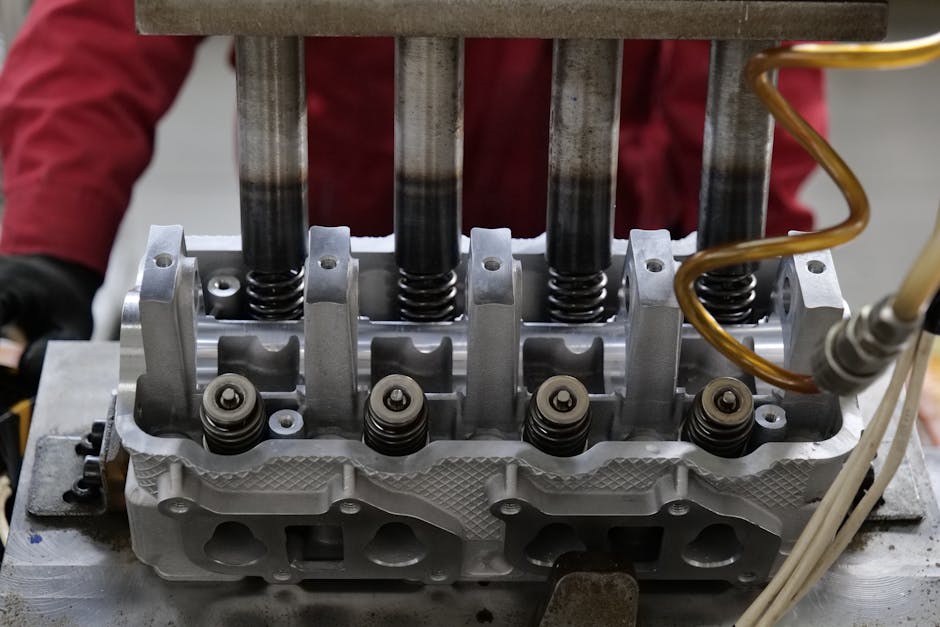
Urgent ground transit is essential across various industrial sectors where unplanned downtime leads to significant financial losses:
- Automotive Manufacturing: Transporting critical stamping dies, robotic sensors, and fasteners directly to assembly lines prevents costly factory shutdowns.
- Medical and Healthcare Equipment: Delivering high-precision laboratory parts, hospital diagnostic machinery components, and sensitive assemblies under tight timelines.
- Industrial Machinery & Tooling: Dispatching replacement hydraulic pumps, motors, and electrical panels to keep heavy processing plants operational.
- Commercial Lighting & Construction: Moving architectural lighting fixtures and custom electrical components directly to job sites to keep commercial builds on schedule.
Leveraging specialized hot shot trucking services ensures industrial freight is handled according to the specific technical demands of each sector.
Step-by-Step Implementation Guide for Critical Freight Dispatch
Executing an expedited shipment smoothly requires structured coordination between the facility team and the logistics broker:
- Assess the Freight Specifications: Accurately measure length, width, height, and gross weight. Note any specialized requirements, such as pallet jacks or liftgate needs.
- Contact a Dedicated Broker: Connect with an expedited freight coordinator operating 24/7 to review transit options across the contiguous United States.
- Verify Carrier Qualifications: Ensure the assigned carrier in the vetted network holds proper operating authority, valid insurance, and suitable equipment for the load.
- Coordinate Staging and Loading: Stage the cargo at the origin dock with clear markings and complete shipping paperwork ready for immediate loading upon arrival.
- Monitor In-Transit Milestones: Receive proactive updates as the dedicated vehicle travels directly to the receiving facility.
- Obtain Proof of Delivery: Confirm successful drop-off with a time-stamped, signed electronic delivery receipt for internal auditing.
Working with experienced professionals in hot shot logistics USA ensures each stage of critical dispatch is managed efficiently and reliably.
Frequently Asked Questions About Hot Shot B2B Delivery
What is hot shot B2B delivery and how does it function?
Hot shot B2B delivery is an expedited ground freight service that utilizes dedicated vehicles to transport urgent business shipments directly from pickup to delivery. Unlike standard freight networks that route cargo through multiple sorting hubs, hot shot shipping moves point-to-point without intermediate stops or shared cargo space.
How quickly can urgent manufacturing shipments be dispatched?
Urgent manufacturing shipments can typically be coordinated for same-day pickup through an expedited freight broker’s round-the-clock dispatch network. A vetted carrier is matched to the specific shipment requirements to initiate direct transit across the contiguous United States immediately upon loading.
What equipment types are used for expedited B2B ground transport?
Expedited ground transport utilizes a range of dedicated equipment tailored to cargo size and facility requirements. Common vehicle types include cargo and sprinter vans for smaller freight, dedicated straight trucks for larger multi-pallet loads, and liftgate-equipped units for facilities without standard loading docks.
Conclusion
When manufacturing deadlines are at stake, direct and dependable ground transportation keeps production lines running smoothly. Pro Express Inc. is an expedited freight brokerage based in Oak Brook, Illinois, connecting industrial shippers with a vetted carrier network across the contiguous United States. In business since 2007 with nearly 20 years of experience, we have coordinated over 10,000 delivered shipments while maintaining a 99% client satisfaction mark and relationships with clients returning for over 13 years. Whether your facility requires white glove handling, liftgate assistance, inside delivery, or dedicated exclusive hot shots, our 24/7 logistics coordinators are ready to support your time-critical freight needs.