
Why How You Send a Parcel Can Make or Break Your Deadline
Need to send a parcel fast and get it right the first time? Here’s the short version:
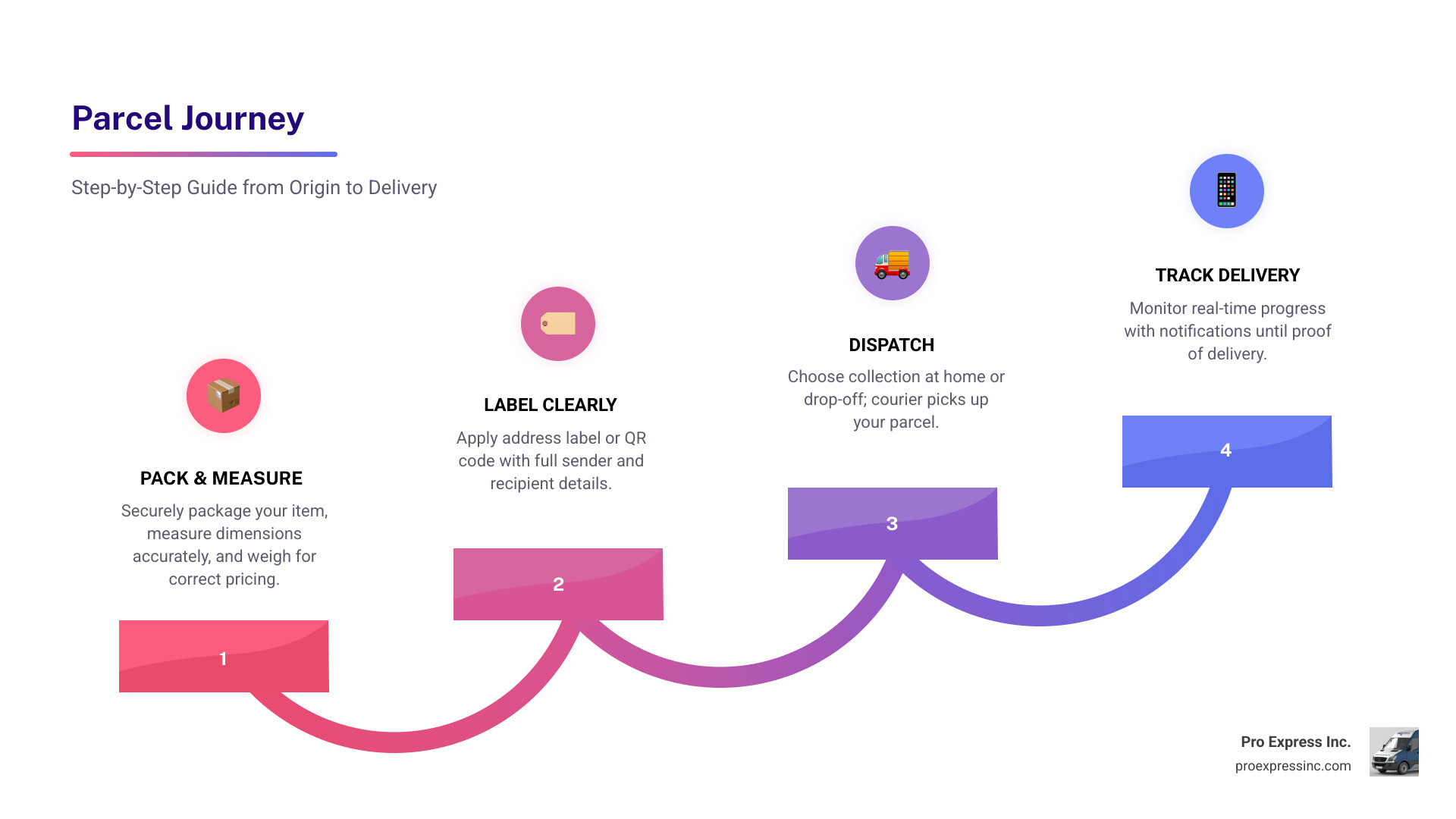
How to send a parcel in 5 steps:
- Measure and weigh your package (length, width, height, and weight)
- Choose a courier based on speed, reliability, and service type
- Label your parcel — print at home, or use a QR code at a drop-off point
- Select collection or drop-off to dispatch your shipment
- Track your parcel in real-time until confirmed delivery
For time-sensitive, high-value, or fragile freight, the stakes are even higher — and the steps above are just the starting point.
Every day, logistics managers across the US face the same pressure: a shipment needs to move now, the regular carrier has failed, and there’s no room for error.
Whether it’s a critical medical device, an industrial component, or a high-value commercial order — getting it there on time isn’t optional.
The good news? Sending a parcel doesn’t have to be complicated. But doing it well — with the right documentation, the right packaging, and the right courier — takes more than just slapping a label on a box.
This guide covers everything: from measuring and packing your shipment to navigating customs, selecting expedited services, and ensuring your cargo arrives intact.
How to Send a Parcel: A Step-by-Step Guide

When you need to send a parcel, the process begins long before the courier arrives at your door. In a high-stakes B2B environment, precision is your best friend. Mistakes in the initial stages—like miscalculating dimensions or providing an incomplete address—can lead to delays that ripple through your entire supply chain.
First, identify the origin and destination clearly. For shipments within North America, including Alaska and Hawaii, ensure the ZIP codes are verified. A single digit error can send your critical cargo to the wrong side of the country. Next, you must determine the exact weight and dimensions. This isn’t just about logistics; it’s about ensuring the vehicle dispatched for your hot-shot delivery has the capacity to handle your load.
If you are coordinating this from your home office or a remote site, you can actually manage the entire process digitally. For those moments when you’re managing a crisis from your living room, check out this guide on how to book a courier from home without putting on pants.
Preparing to Send a Parcel
Accuracy is the foundation of reliable shipping. We recommend using a digital scale for weight and a heavy-duty measuring tape for dimensions (length, width, and height). When measuring, always measure the widest points of the box, including any bulges or handles.
Adhering to official mailing standards ensures that your parcel moves through automated sorting systems without getting stuck. For businesses, this means ensuring that no old labels are left on reused boxes, as these can cause “ghost scans” that send your package in circles.
Labeling and Documentation Without a Printer
In May 2026, the logistics world has fully embraced paperless technology. You no longer need a bulky printer to send a parcel professionally. Most modern courier networks utilize digital labels and QR codes.
If you are on-site and need to dispatch a shipment quickly:
- Complete your booking online or via a mobile app.
- Receive a unique QR code via email or SMS.
- Present the QR code to the courier during collection or at a designated drop-off point.
- The agent will scan the code and print the professional shipping label on the spot.
This system is not just convenient; it reduces the risk of label damage during the initial handling phase, ensuring that the tracking information remains legible throughout the journey.
Selecting the Optimal Courier Service for Business Needs
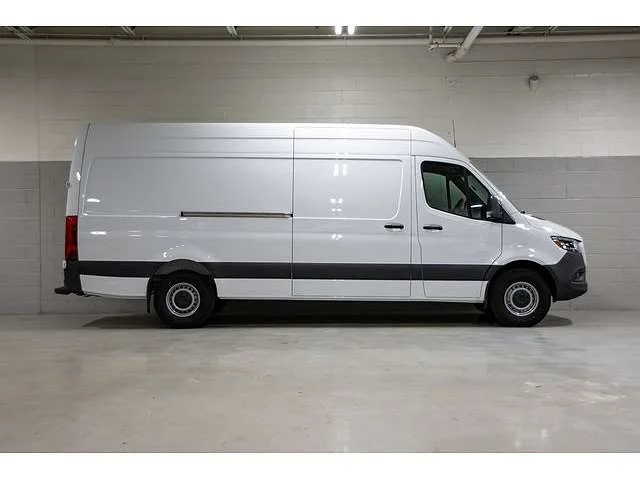
Not all delivery services are created equal. When your reputation is on the line, choosing a partner who understands the urgency of B2B logistics is vital. Standard postal services have their place, but for mission-critical shipments, you need a professional courier service that offers more than just a “delivery window.”
We focus on reliability and speed. In ground-expedited shipping, “on time” means exactly when you need it, whether that’s a same-day delivery across the state or a next-day delivery to a remote site in Alaska.
Collection vs. Drop-off Logistics
The choice between collection and drop-off usually comes down to your operational workflow.
- Collection Services: Ideal for high-volume businesses or those sending heavy, bulky items. A courier comes directly to your warehouse or office. This is the gold standard for official package pickup guidelines, saving your team the time and labor of transporting goods to a retail point.
- Drop-off Services: Offers flexibility for smaller parcels. With over 250,000 drop-off points integrated into various networks across North America, you can dispatch a shipment whenever it fits your schedule.
Tracking Your Parcel After Sending
In today’s market, “where is my package?” is a question you shouldn’t have to ask. Real-time monitoring provides the visibility needed to manage client expectations. Modern tracking goes beyond “in transit.” It provides milestone updates, GPS location data, and instant proof of delivery (POD) notifications. This level of transparency is essential for high-value shipments where every hour of downtime costs money.
Packaging Standards for High-Value and Fragile Shipments
If you’re going to send a parcel that contains sensitive equipment or fragile components, the packaging is your first line of defense. The journey through a courier network involves multiple touchpoints, depots, and vehicles. Your parcel needs to be “road-ready.”
Always use a heavy-duty corrugated cardboard box. Reusing old boxes is fine for internal storage, but for shipping, the structural integrity of a new box is unmatched. Reinforce all joins and corners with high-quality packing tape. For more detailed insights, see our guide on how to pack a fragile item for shipping like a pro.
Size and Weight Requirements
Understanding the difference between actual weight and volumetric weight is crucial. Most couriers charge based on the space a package occupies in the vehicle, not just how much it weighs.
| Service Tier | Typical Weight Limit | Common Use Case |
|---|---|---|
| Standard Parcel | Up to 70 lbs | Documents, small parts, retail goods |
| Heavy Parcel | 70 lbs to 150 lbs | Industrial tools, small machinery |
| Expedited Freight | 150 lbs+ | Pallets, heavy machinery, bulk inventory |
Items over 150 lbs are generally classified as freight and require specialized handling, such as liftgates or two-man teams.
Securing Fragile Items for Transit
For items that cannot afford even a scratch, we recommend the “double boxing” method. This involves placing your item in a smaller, cushioned box, and then placing that box inside a larger one with at least two inches of void fill (like packing peanuts or air pillows) on all sides.
Follow these 7 easy steps for fragile parcel safety to ensure your cargo arrives in one piece. Remember: if the item can move inside the box when you shake it, it isn’t packed well enough.
Navigating International Logistics and Customs Compliance
When you send a parcel across borders—such as from the US to Canada or Mexico—you enter customs compliance. This is where many shipments get delayed. To keep your cargo moving, you must provide accurate documentation.
Key requirements for international shipping in North America include:
- Commercial Invoice: A detailed document describing the goods, their value, and the reason for export.
- HS Codes (Harmonized System): A standardized numerical method of classifying traded products. Using the correct code ensures you pay the right tariffs and avoid legal snags.
- Certificate of Origin: Especially important under trade agreements like the USMCA, this proves where the goods were manufactured.
- Prohibited Items List: Every country has restrictions. For example, Canada has very strict regulations regarding electronics and medical devices. Always check the specific rules for your destination to avoid the disposal of your goods.
Expedited Solutions: Same-Day and White Glove Delivery
Sometimes, a standard delivery service isn’t enough. When you have a “line-down” situation at a factory or a medical emergency requiring urgent supplies, you need expedited solutions.
- Hot-shot Delivery: This is a dedicated vehicle service where your shipment is the only priority. There are no stops at depots and no co-loading with other parcels. It goes straight from point A to point B.
- White Glove Service: For high-value or highly sensitive items, white glove delivery includes specialized handling, inside delivery, and even the removal of packaging materials.
- Liftgate and Two-Man Teams: Essential for heavy or oversized items that cannot be unloaded by a single person or where a loading dock is unavailable.
These expedited courier delivery services are designed for those moments when time is the most valuable commodity you have.
Frequently Asked Questions about Parcel Shipping
How do I send a parcel without a printer?
Most modern couriers offer “label-free” or “print-in-store” services. When you book your shipment online, you will receive a QR code on your smartphone. Simply take the parcel to a participating drop-off point or present the code to the courier during a scheduled pickup. They will scan the code and attach the printed label for you.
What are the weight limits for standard parcel services?
In the US, standard parcel services typically cap at 70 lbs. Items between 70 lbs and 150 lbs are often handled as “heavy parcels” and may incur additional surcharges. Anything over 150 lbs is classified as freight and requires specialized equipment like a pallet jack or liftgate.
How can I track my parcel in real-time?
Once your parcel is dispatched, you will receive a tracking number or a digital link via email. You can enter this number on the courier’s website or mobile app to see the live status of your shipment. For expedited B2B services, we provide 24/7 support and proactive updates so you always know the exact location of your critical cargo.
Conclusion
When you need to send a parcel, the difference between success and failure often lies in the details. At Pro Express Inc., we bring nearly two decades of experience to the table, ensuring that your time-sensitive shipments are handled with the urgency they deserve.
With over 10,000 shipments successfully delivered and a 99% client satisfaction rate, we understand the pressure of last-minute logistics. Whether it’s a same-day hot-shot delivery or a complex white-glove setup, our US-wide operations and 24/7 customer support are here to ensure your regular carrier’s failure doesn’t become your company’s crisis.
Don’t let a missed deadline derail your operations. Trust the experts who specialize in speed and reliability.
Contact Us Today for a Quote and experience the Pro Express difference.