
Why a Reliable Medical Courier Service Matters
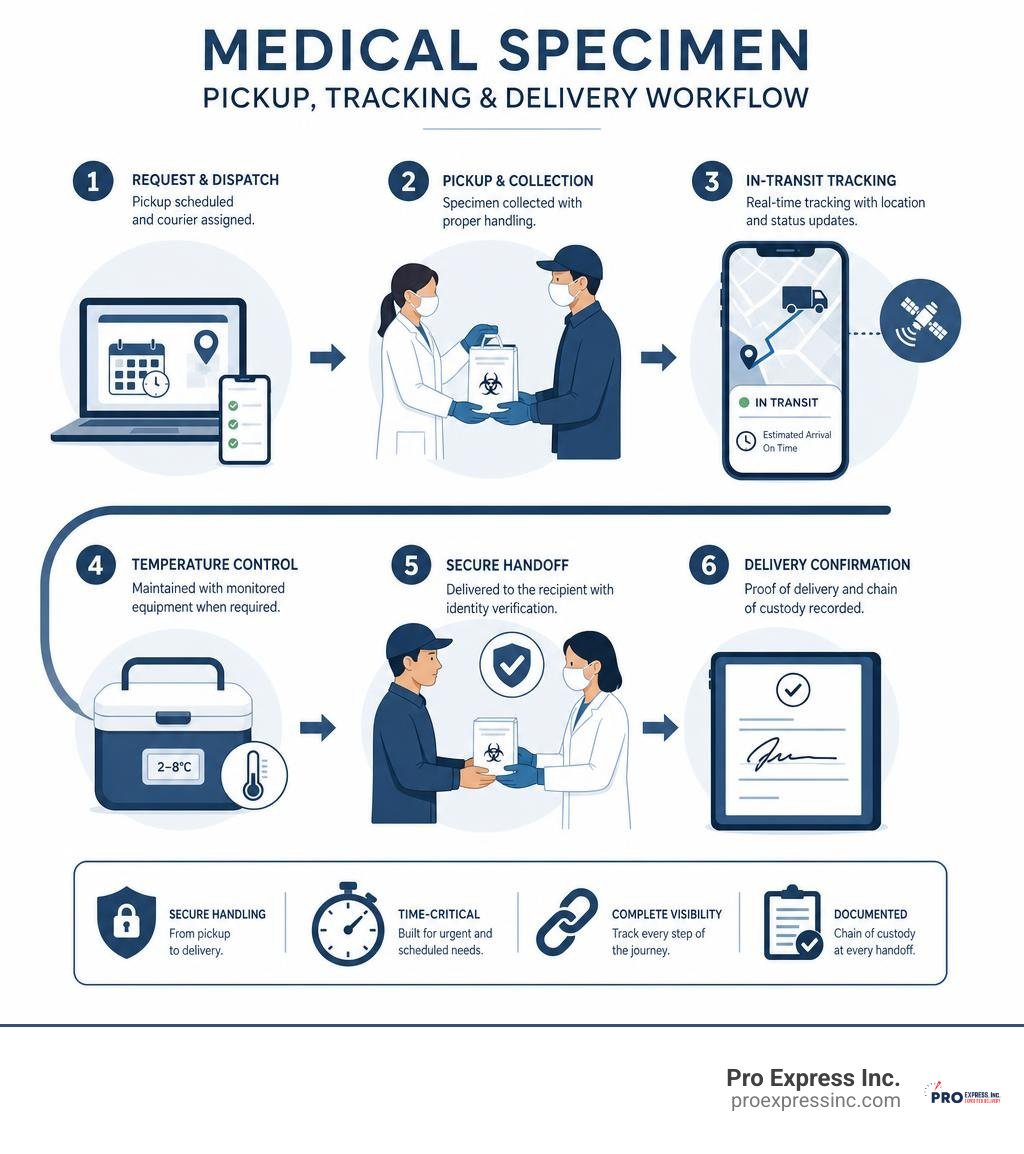
A medical courier service arranges secure, time-critical transport for lab specimens, pharmaceuticals, medical devices, and hospital supplies. Unlike a standard delivery service, it must follow documented handling procedures, protect patient information, maintain required temperatures, and record each handoff from pickup through delivery.
For a healthcare facility or laboratory, the right provider should offer:
- Fast options for STAT, same-day, scheduled, and after-hours shipments.
- Vetted carriers trained for sensitive healthcare freight.
- Temperature-controlled equipment and monitoring when the shipment requires it.
- Digital tracking, signatures, and a clear chain of custody.
- Responsive dispatch coordination when a regular carrier cannot meet a critical deadline.
A delayed, lost, or temperature-exposed specimen can disrupt testing and patient care. That is why healthcare logistics requires more than a pickup and drop-off. It requires disciplined coordination, secure documentation, and carriers prepared for strict transit windows.
For nearly 20 years, Pro Express Inc. has coordinated urgent freight through a vetted carrier network. When a laboratory, medical supplier, or healthcare operation faces a missed pickup or an urgent delivery deadline, Pro Express helps arrange the specialized transport needed to keep the shipment moving.
Medical courier service definitions:
Core Capabilities of a Dedicated Medical Courier Service
Healthcare logistics is fundamentally different from traditional commercial shipping. When handling biological materials, diagnostic reagents, or life-saving pharmaceuticals, delivery failures directly affect patient outcomes. In the United States alone, medical couriers transport over 10 million lab specimens daily. Coordinating these complex freight movements demands specialized procedures, vetted carrier networks, and strict oversight.
The global medical courier market continues to expand rapidly through 2030, driven by the expansion of decentralized healthcare networks, remote diagnostic labs, and complex biopharmaceuticals. Meeting this demand requires coordinating specialized freight handling capabilities designed specifically for the medical sector.
| Feature | Standard Freight Shipping | Specialized Medical Logistics Coordination |
|---|---|---|
| Transit Routing | Hub-and-spoke sorting terminals with multi-day handling | Direct, point-to-point dispatch and hot-shot routing |
| Temperature Control | Passive ambient standard freight | Active cold-chain monitoring (Ambient, Refrigerated, Frozen, Cryogenic) |
| Regulatory Oversight | Standard DOT cargo regulations | Strict HIPAA, OSHA Bloodborne Pathogen, and DOT UN 3373 compliance |
| Chain of Custody | Basic tracking scans at major regional hubs | Real-time GPS, digital signature capture, and continuous milestone tracking |
| Handling Protocols | General palletized or bulk cargo handling | White-glove handling, liftgate assistance, inside delivery, and spill kit readiness |
Why Standard Delivery Fails Compared to a Medical Courier Service
Relying on standard shipping networks for mission-critical healthcare shipments frequently introduces unacceptable risks. Standard logistics providers consolidate cargo through high-volume sorting hubs, exposing sensitive cargo to physical shock, extensive idle time, and severe temperature fluctuations.
Approximately 25% of vaccines are degraded by the time they reach their destination due to temperature excursions during transport. Furthermore, medical specimen transport failures result in significant clinical disruptions, mandatory retesting requirements, and urgent patient recall procedures. When standard carriers experience delays, missed pickups, or route cancellations, diagnostic windows close rapidly.
Specialized medical transportation eliminates these vulnerabilities. By arranging dedicated ground transport for time-sensitive shipments, freight brokers ensure cargo bypasses multi-stop sorting hubs entirely. Vetted carriers maintain strict biohazard safety standards, use dedicated transport containers, and adhere to precise delivery timetables to protect sample viability.
Advanced Tracking and Chain of Custody Protocols
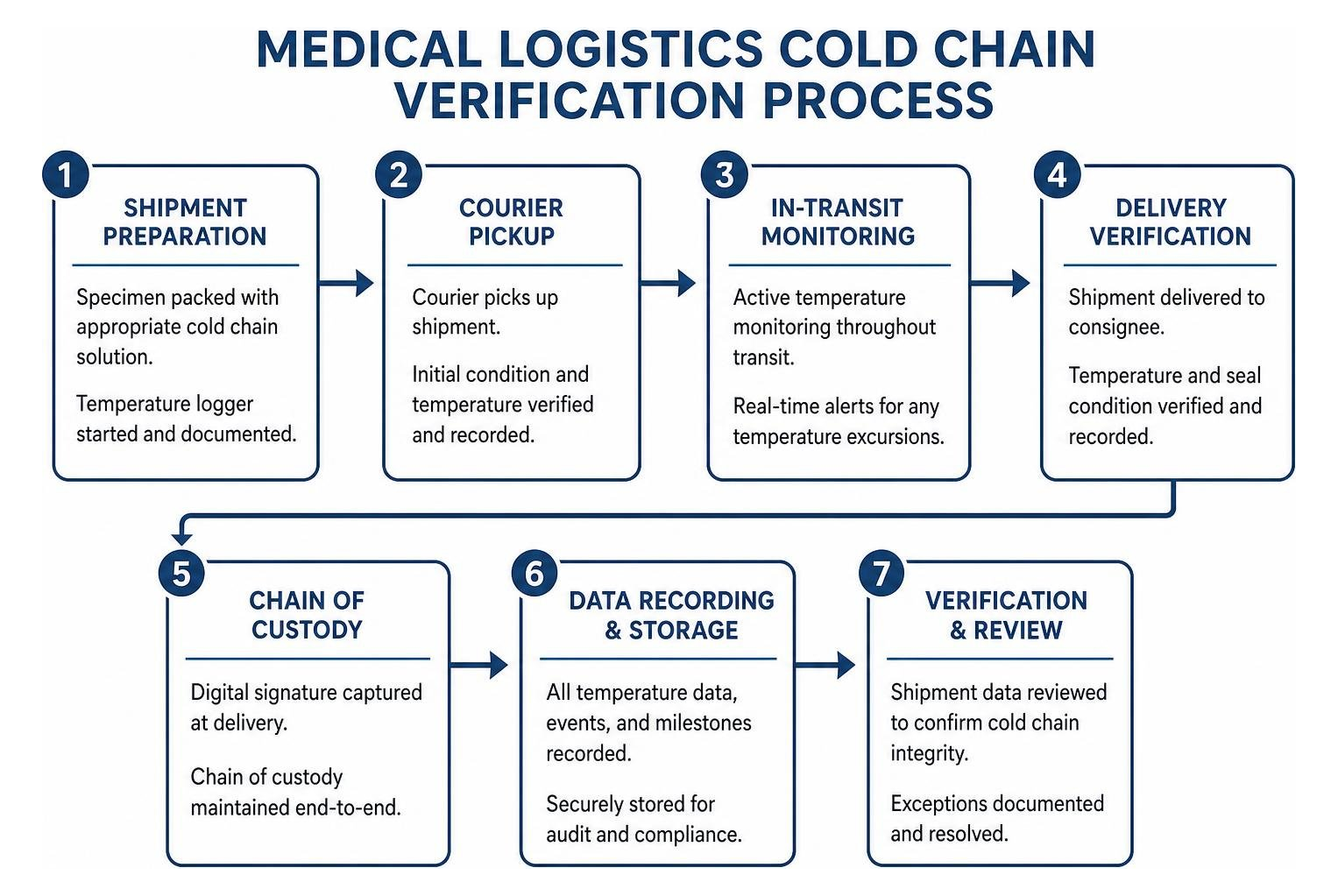
Maintaining an unbroken, auditable chain of custody is essential for regulatory compliance and operational security in healthcare logistics. Every handoff must be verified, documented, and traceable in real time.

When arranging specialized medical freight, modern logistics coordination relies on comprehensive digital verification systems:
- Real-Time GPS Tracking: Continuous visibility over the shipment’s physical location from initial pickup to final receiving dock.
- Barcode and Specimen Scanning: Instant digital scanning at every transfer milestone to confirm package identity and integrity.
- Digital Chain-of-Custody Signatures: Electronic capture of authorized personnel signatures at both pickup and delivery points.
- Milestone Timestamping: Automated alerts and verifiable electronic records logging exact departure, transit, and arrival times.
- Audit-Ready Reporting: Complete digital archives that support healthcare facility compliance audits and accreditation reviews.
These advanced verification measures provide diagnostic laboratories and hospital networks with total visibility, ensuring critical medical shipments arrive on schedule without administrative friction.
Essential Cargo Types in Healthcare Specimen and Equipment Logistics
Medical logistics involves coordinating transportation for diverse, sensitive cargo types across hospital networks, outpatient surgical centers, diagnostic laboratories, and biotechnology research facilities. Each cargo category requires specific handling procedures, protective packaging, and equipment configurations.
Diagnostic Lab Specimens and Biologics
Diagnostic testing depends on pristine specimen integrity. Vetted carriers transport biological samples classified under UN 3373 Biological Substance Category B, as well as Category A infectious substances when required. These include:
- Whole blood, serum, and plasma samples
- Histopathology tissue biopsies and anatomical specimens
- Culture swabs, urine, and bodily fluid collections
- Clinical trial research samples and genetic testing materials
Navigating these requirements requires carriers that meet rigorous courier qualifications, ensuring proper handling of biohazardous goods, dry ice replenishment, and dynamic route coordination.
Pharmaceuticals, Vaccines, and Surgical Equipment
Beyond diagnostic specimens, healthcare supply chains depend on the fast, secure movement of high-value therapeutics and sensitive surgical gear. Specialized coordination for pharmaceutical expedited shipping ensures vital medical products move under controlled conditions:
- Biopharmaceuticals and Cell Therapies: Temperature-sensitive pharmaceuticals account for over 80% of all biologic drugs in development, requiring uninterrupted cold-chain logistics.
- Emergency Vaccines and Antivenoms: Critical immunizations requiring precise temperature logging to avoid thermal degradation.
- Surgical Implants and Instrumentation: Specialized orthopedic kits, cardiac implants, and sterile surgical trays moved between surgical centers.
- Diagnostic and Imaging Equipment: Sensitive machinery requiring white-glove inside delivery, liftgate capabilities, and secure two-man handling.
Regulatory Standards and Cold-Chain Integrity Requirements
Coordinating medical logistics requires strict adherence to federal and regional safety mandates. Medical freight cannot simply be placed in a standard cargo van; it requires specialized handling protocols, robust secondary packaging, and continuous monitoring.

HIPAA, OSHA, and Biohazard Transport Compliance
Every stakeholder in the medical transportation chain must comply with established healthcare and worker safety regulations:
- HIPAA Compliance: Safeguarding patient privacy by ensuring that specimen labels, manifest documents, and digital tracking interfaces protect Protected Health Information (PHI).
- OSHA Bloodborne Pathogens Standard (29 CFR 1910.1030): Ensuring carriers are trained in biohazard containment, universal precautions, and the deployment of onboard spill kits.
- DOT Hazardous Materials Regulations (49 CFR Parts 171-180): Proper labeling, placarding, and packaging for hazardous materials and regulated biological specimens. Pro Express does not arrange hazardous-materials shipments.
- FDA Good Distribution Practices (GDP): Adhering to strict storage, handling, and documentation guidelines to prevent contamination and ensure product efficacy.
Temperature Monitoring and Cold-Chain Preservation
Maintaining thermal stability throughout transit prevents irreversible chemical breakdown and cellular lysis in biological cargo. Specialized freight coordination accounts for four distinct thermal bands:
- Ambient (Controlled Room Temperature): Maintained between 15°C to 25°C (59°F to 77°F) for diagnostic devices, tablets, and select liquid reagents.
- Refrigerated (Cold Chain): Maintained between 2°C to 8°C (36°F to 46°F) for whole blood, vaccines, insulin, and culture media.
- Frozen: Kept between -20°C to -80°C (-4°F to -112°F) using phase-change materials or dry ice for plasma, RNA/DNA extracts, and tissue biopsies.
- Cryogenic: Maintained below -150°C (-238°F) utilizing liquid nitrogen dry vapor shippers for stem cells and reproductive tissues.
Continuous electronic data loggers provide a complete thermal history upon delivery, confirming that zero temperature excursions occurred during transit.
Evaluating Turnaround Times and Carrier Vetting Standards
When urgent transportation is needed, healthcare facilities must evaluate service speed and carrier reliability. A dependable freight brokerage helps healthcare organizations match specific logistical requirements with the right vetted carriers.
STAT, Scheduled, and Same-Day Service Tiers
Healthcare demands vary from predictable recurring deliveries to emergency, life-or-death dispatch:
- STAT On-Demand Dispatch: Immediate, dedicated dispatch for urgent surgical supplies, organ tissue, or emergency cross-match blood samples where every minute impacts patient outcomes.
- Scheduled Route Consolidation: Regular, recurring pickups from regional clinics, outpatient facilities, and collection centers routed directly to central processing laboratories.
- Dedicated Same-Day Courier Options: Direct point-to-point transit for urgent medical equipment, replenishments, or batch lab specimens needing same-day results.
- After-Hours and Weekend Logistics: 24/7/365 availability ensuring urgent diagnostic workflows continue uninterrupted outside normal operating hours.
How to Choose the Right Medical Courier Service for Your Facility
When vetting medical courier providers, supply chain directors and laboratory managers should assess specific operational criteria:
- Carrier Network Vetting: Does the brokerage rigorously evaluate carriers for safety history, healthcare compliance, and equipment standards?
- Access to Specialized Equipment: Can the provider arrange white-glove service, inside delivery, two-man teams, and liftgate-equipped vehicles?
- 24/7 Live Coordination: Is human dispatch available around the clock to manage unexpected transit disruptions or emergency reroutes?
- Demonstrated Track Record: Does the company have a multi-year history of successfully coordinating urgent freight across complex supply chains?
Frequently Asked Questions About Healthcare Logistics
What items require temperature-controlled medical logistics?
Biologics, whole blood, plasma, vaccines, pathology specimens, and select pharmaceutical compounds require strict temperature management. These items are transported using validated packaging, phase-change materials, dry ice, or active temperature-controlled transport units to preserve their chemical and biological integrity.
How does chain-of-custody tracking prevent specimen loss?
Chain of custody utilizes continuous barcode scanning, digital signature capture at transfer points, and real-time GPS tracking. This creates an unalterable digital audit trail documenting precisely who handled the shipment, where it was transferred, and the exact timestamps of every stage in transit.
What is the difference between STAT and routine medical delivery?
STAT delivery involves immediate, point-to-point dispatch for critical, emergency medical cargo that directly impacts immediate patient care. Routine medical delivery operates on predetermined, scheduled routes designed for batch specimen consolidation and standard hospital inventory replenishment.
Reliable Medical Logistics Coordination with Pro Express Inc.
Navigating healthcare supply chain challenges requires speed, compliance, and flawless operational coordination. For nearly 20 years, Pro Express Inc. has served as a trusted nationwide freight brokerage, coordinating critical ground logistics for hospitals, diagnostic laboratories, medical device manufacturers, and pharmaceutical distributors across the United States.
When regular shipping channels face breakdowns, capacity constraints, or strict time limits, our 24/7 dispatch team connects you with a rigorously vetted carrier network. From exclusive hot-shot ground routing and temperature-sensitive transport to specialized white-glove, liftgate, and inside delivery, we ensure your mission-critical healthcare shipments move without delay.
Ensure your time-sensitive healthcare cargo arrives securely and on schedule. Explore our comprehensive courier delivery services today to coordinate your next urgent medical shipment.